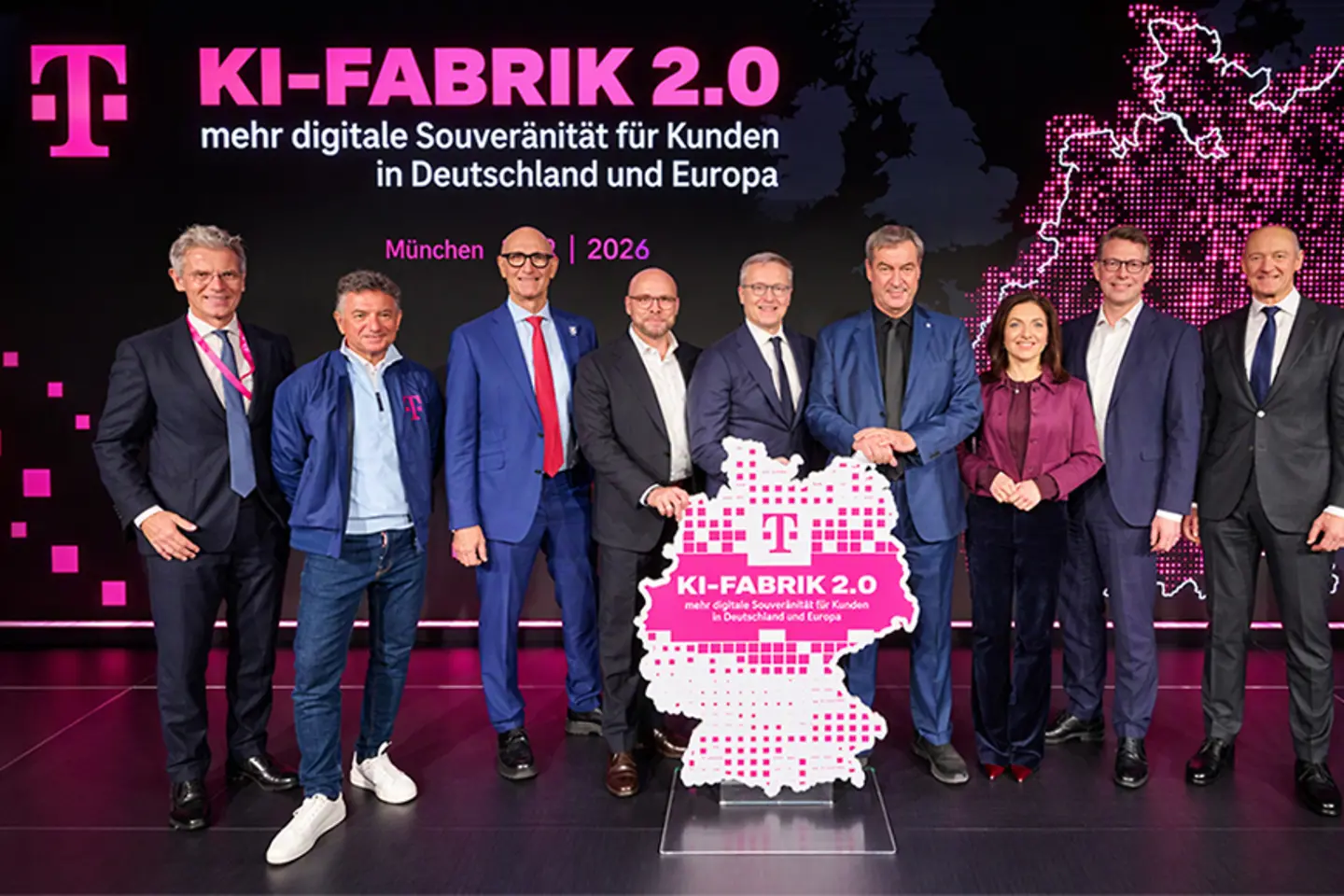
Digital Minister Karsten Wildberger, Minister of Economic Affairs Katherina Reiche, Bavarian Prime Minister Markus Söder, Bavarian Digital Minister Fabian Mehring, Bavarian Minister of Science Markus Blume, Siemens CEO Roland Busch, Rupprecht Rittweger, Managing Partner of Investa Holding, as well as numerous customers and partners – all were present when we announced on Monday the expansion of our AI Factory. For me that was a clear signal: Germany does not want to just watch when it comes to artificial intelligence. Together we can put our country in the driver seat and put our stamp on industrial AI.
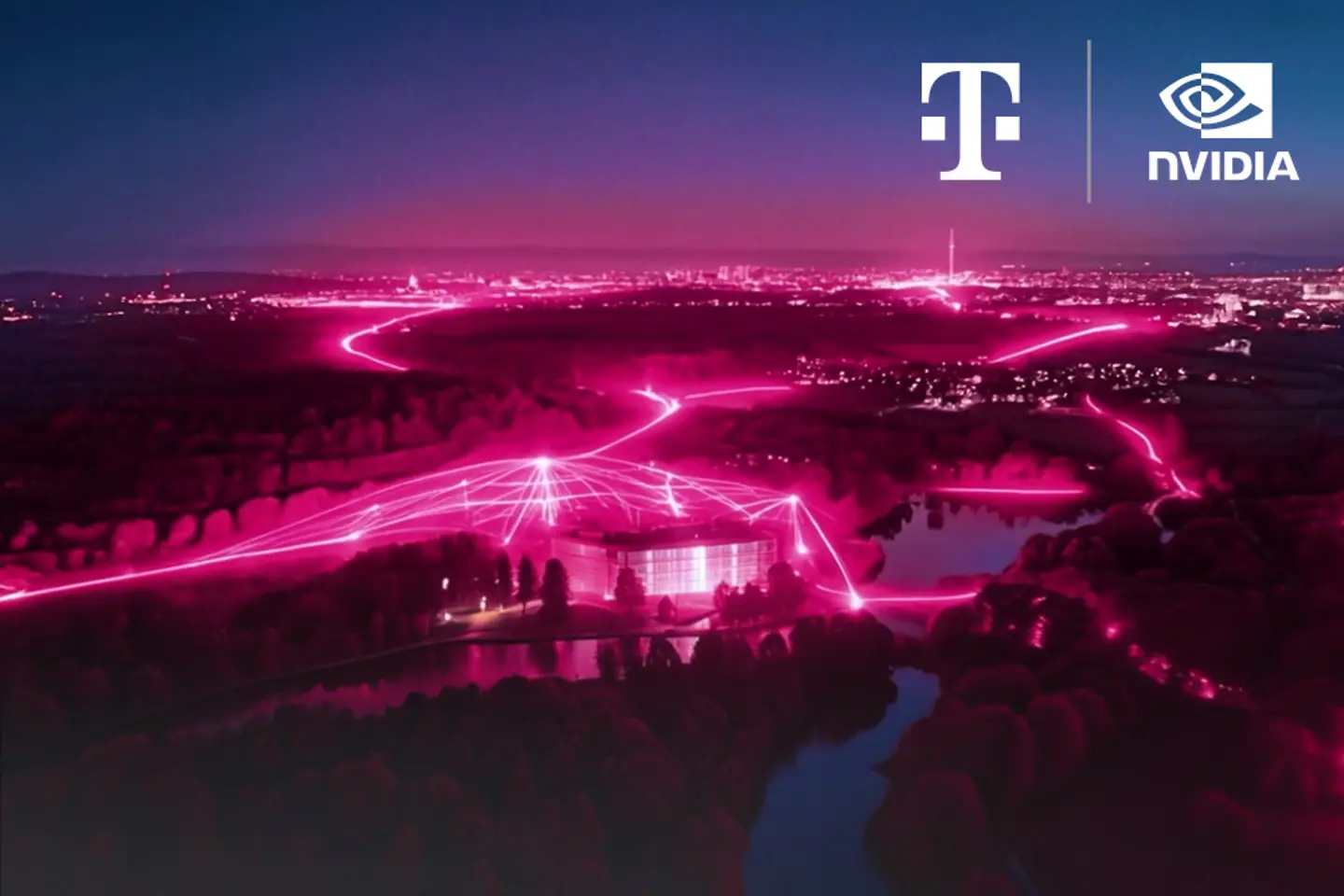
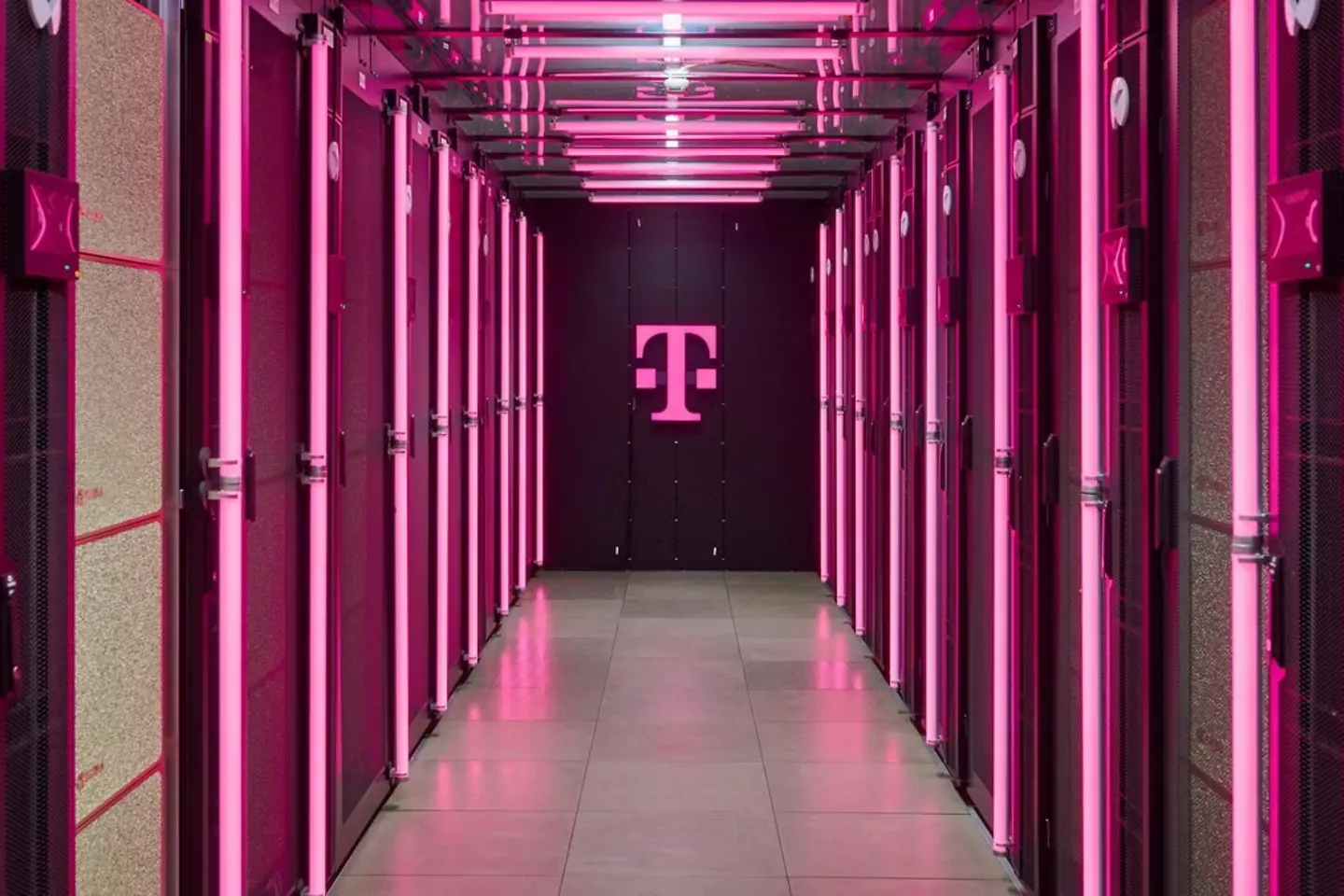
That's exactly what it's about: Our AI Factory in Munich's Tucherpark is a concrete example of what is possible when business, science and politics pull together. It is the flagship project of the “Made for Germany” initiative. And once again we have delivered on our promise: a year ago we announced the creation of Germany's first AI Factory for industry. Just three months later, the Industrial AI Cloud went live. Another seven months after that it was fully booked. Now—after only one year—we are already expanding it: for a quarter of a billion euros we are equipping an additional floor in the Tucherpark with NVIDIA B300 GPUs. This doubles our capacity of these coveted Blackwell high‑performance chips and raises the power of our Industrial AI Cloud to 20 megawatts.
We are deliberately following a three‑step approach: first, building an AI Factory and putting it into operation with concrete applications. Second, responding to demand and scaling quickly. And third, examining how we can further scale our AI engagement—always with our customers and their needs in mind. Each of these steps builds on the previous one. And each brings us closer to our goal: more AI power, more digital capability, and more industrial value creation in Germany and Europe. In my view, smart scaling works like this: start with a basic offering, learn from it, and expand according to market demand.
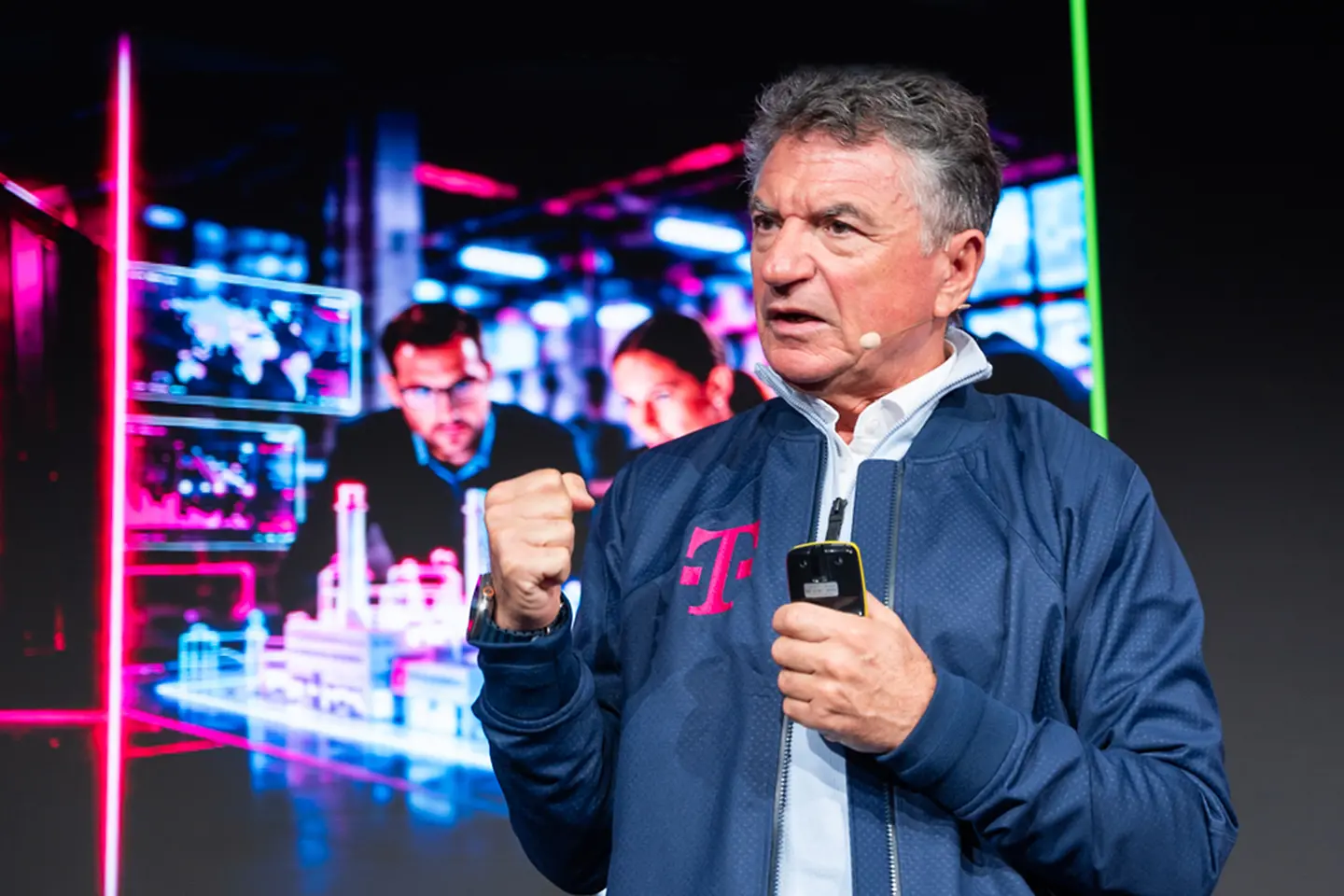
How did we get started? A year ago we faced a major task. We had announced that we would build an Industrial AI Cloud with 10,000 NVIDIA GPUs and increase the available AI computing capacity in Germany by around 50 percent. That was ambitious. There were open questions, technical challenges and a tight schedule.
But at some point you have to start. It's of little use to set big goals if no one takes the first step. We decided to tackle the task—with our team, with strong partners and with support from politics and administration. That the AI Factory went into operation after three months was a strong joint achievement. That was "T-Style", as we call it in the Telekom world.
From the outset we planned more than a data center—a complete AI stack. We built it together with strong partners. That is crucial, especially for SMEs. Not every company can or wants to operate its own high‑performance computers, build specialized teams, and integrate such technologies itself. But every company should have the opportunity to use modern AI for its processes and products.
Our AI Factory helps companies develop, train and deploy AI productively. For that, it also requires more than high‑performance GPUs. It needs connectivity, a secure and sovereign cloud like our T Cloud, Security, data spaces, models, platforms and applications. In addition, consulting helps customers turn a technology into a concrete use case.
And we have succeeded in bringing this infrastructure to life. Seven months after launch, the first expansion stage was largely booked out. For us this is a clear confirmation: we have hit a nerve with our AI Factory. AI has arrived in the German and European economy. Our companies no longer just want to experiment. They want to automate processes, develop products faster, accelerate simulations and unlock new business models.
We see this in the projects that are already running on the Industrial AI Cloud: Siemens and Daimler Truck accelerate complex aerodynamic simulations by ten to twelve times. Agile Robots and Wandelbots use AI for smart robotics. PhysicsX accelerates technical simulations. EDAG connects virtual product development and physical production with metys. SupplyOn uses AI for more efficient supply chains. And with SOOFI S we have successfully trained a German language model with 30 billion parameters on our AI infrastructure.
We have hit a nerve with our AI Factory. AI has arrived in the German and European economy. Our companies no longer just want to experiment. They want to automate processes, develop products faster, accelerate simulations and unlock new business models.
Our second step is now the expansion. We are investing an additional 250 million euros in the technological future‑readiness of Germany and Europe. In addition to the existing NVIDIA Blackwell B200 chips, we are adding the latest Blackwell Ultra generation B300. This doubles the number of chips of this class. And because the new GPUs are even more powerful than the previous ones, the computing capacity at this point grows by more than 100 percent. The NVIDIA RTX PRO 6000 Blackwell Server Edition is also part of our AI infrastructure in Tucherpark.
With these additional capacities, companies can train and operate large AI models, solve demanding reasoning tasks, and run complex simulations. The demand shows that we need this computing power. The first expansion stage is fully utilized, numerous well‑known companies use it intensively, and our project pipeline is well filled. Therefore the expansion to three floors in Tucherpark is only an intermediate step.
When we look to the future, we don’t think about the next floor, we think about the next dimension. Together with partners we are examining how our AI engagement in Bavaria can be further developed. The discussions are intense. Important for us: any further expansion must be economically viable and rest on solid financing. A final investment decision has therefore not yet been made. But thanks to our pioneering work in the Tucherpark, we now know far better than a year ago how to successfully build, operate, and load an AI Factory with customer projects. This knowledge is a valuable foundation for our further actions.
It is clear that Germany must not be only a user of AI. We have to create value ourselves, translate innovations into products, and secure our prosperity. For that we need powerful computing capacity, secure data rooms, strong networks, and the ability to use AI autonomously.
Massive investments in AI are currently being made worldwide. Therefore we must not stand by idly now. We have to take our future into our own hands. It is about our competitiveness and digital sovereignty. And digital sovereignty means to me: remaining capable of action and having choices.
That's exactly what we at Telekom and T-Systems are working on. With full force, strong partners and a clear ambition, we want to actively shape the digital future of Germany and Europe. And we are far from done. We are just at the beginning.