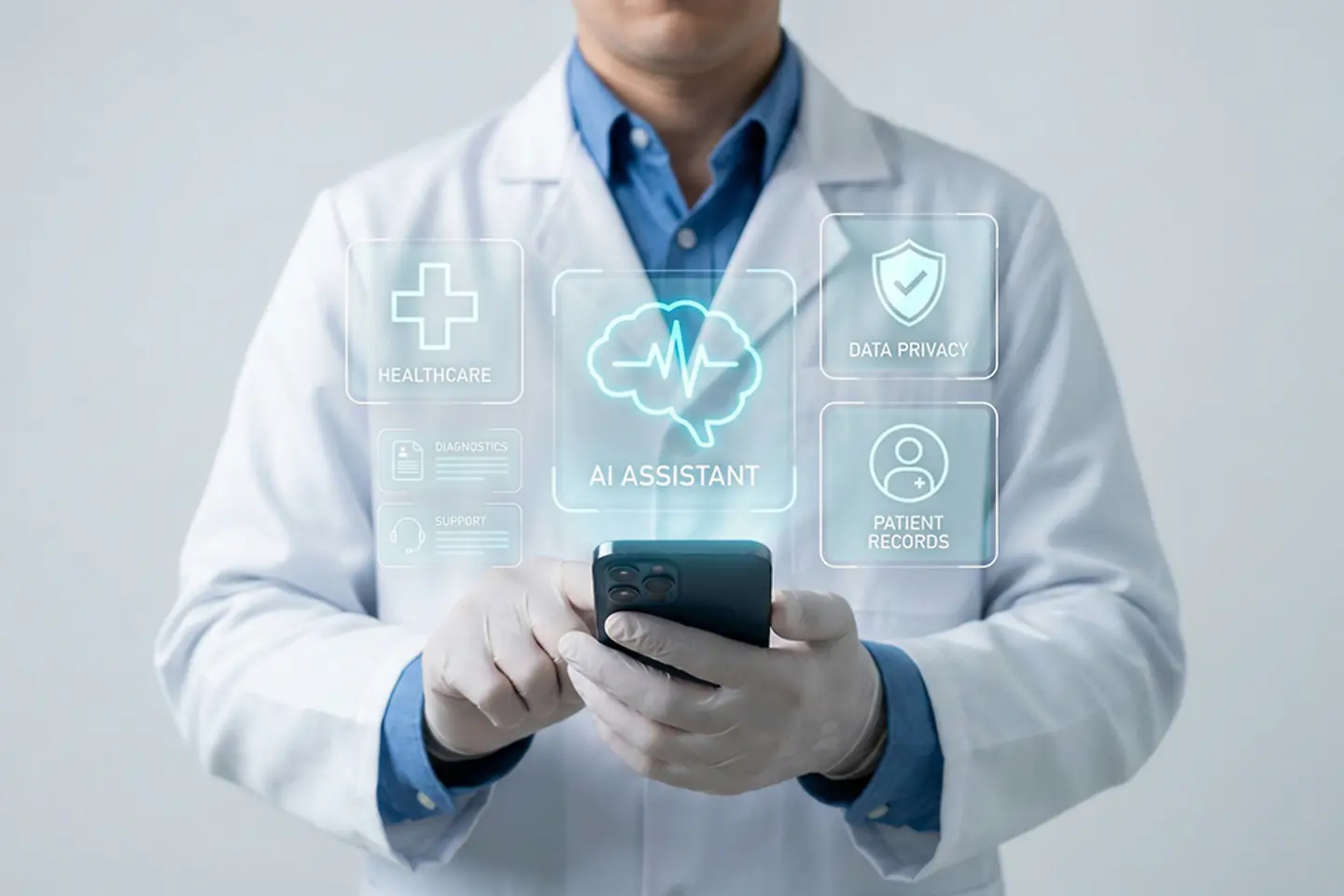
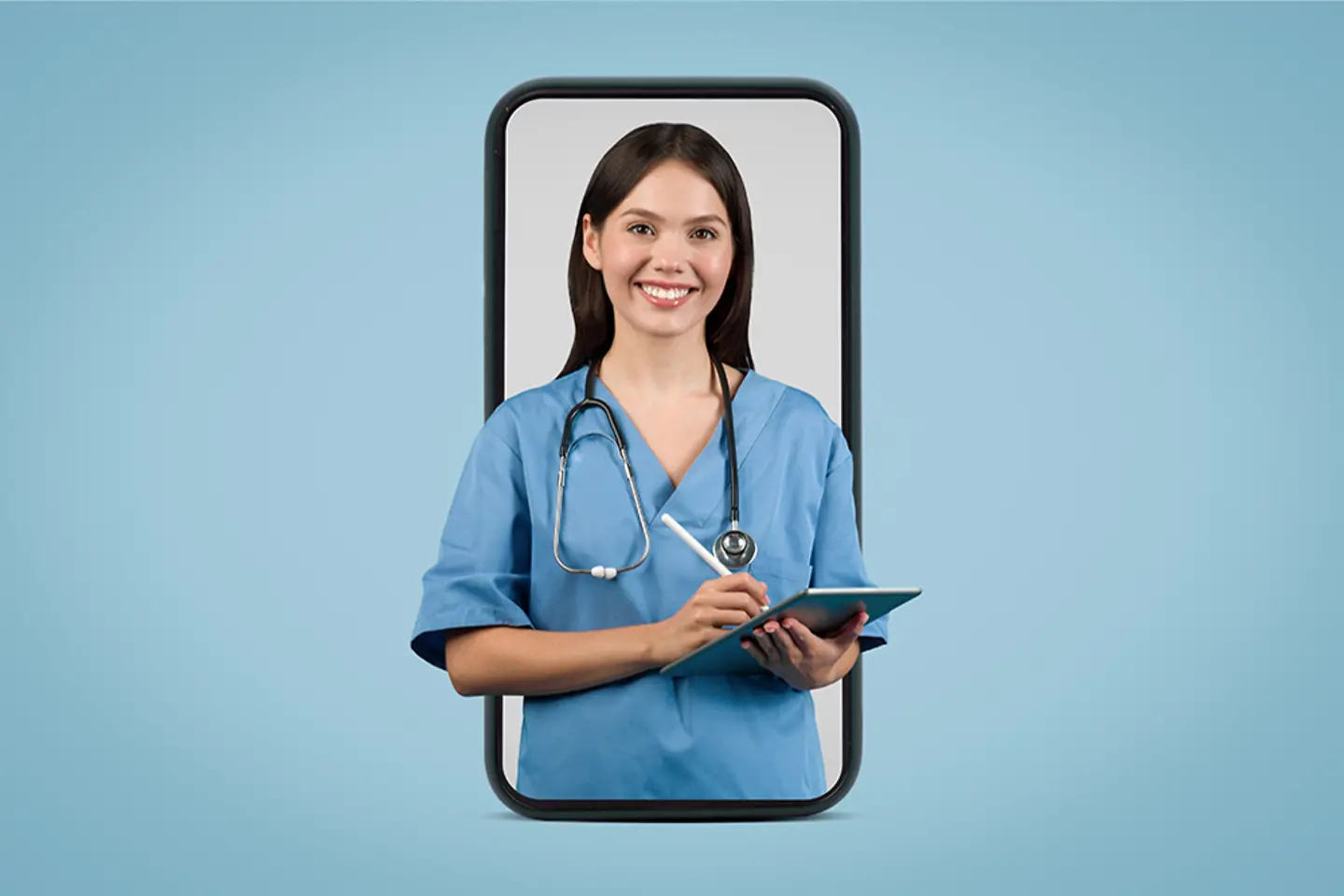
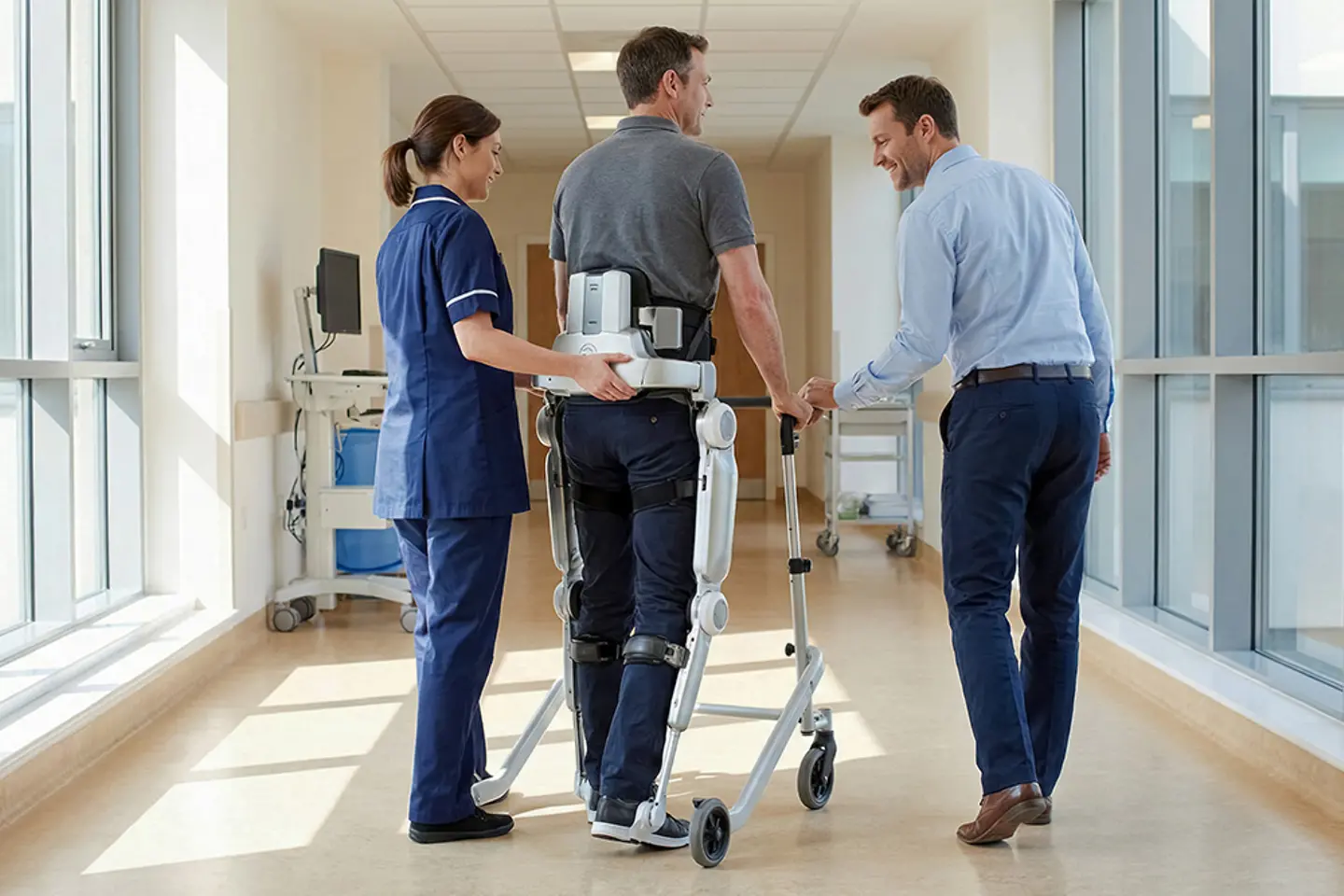
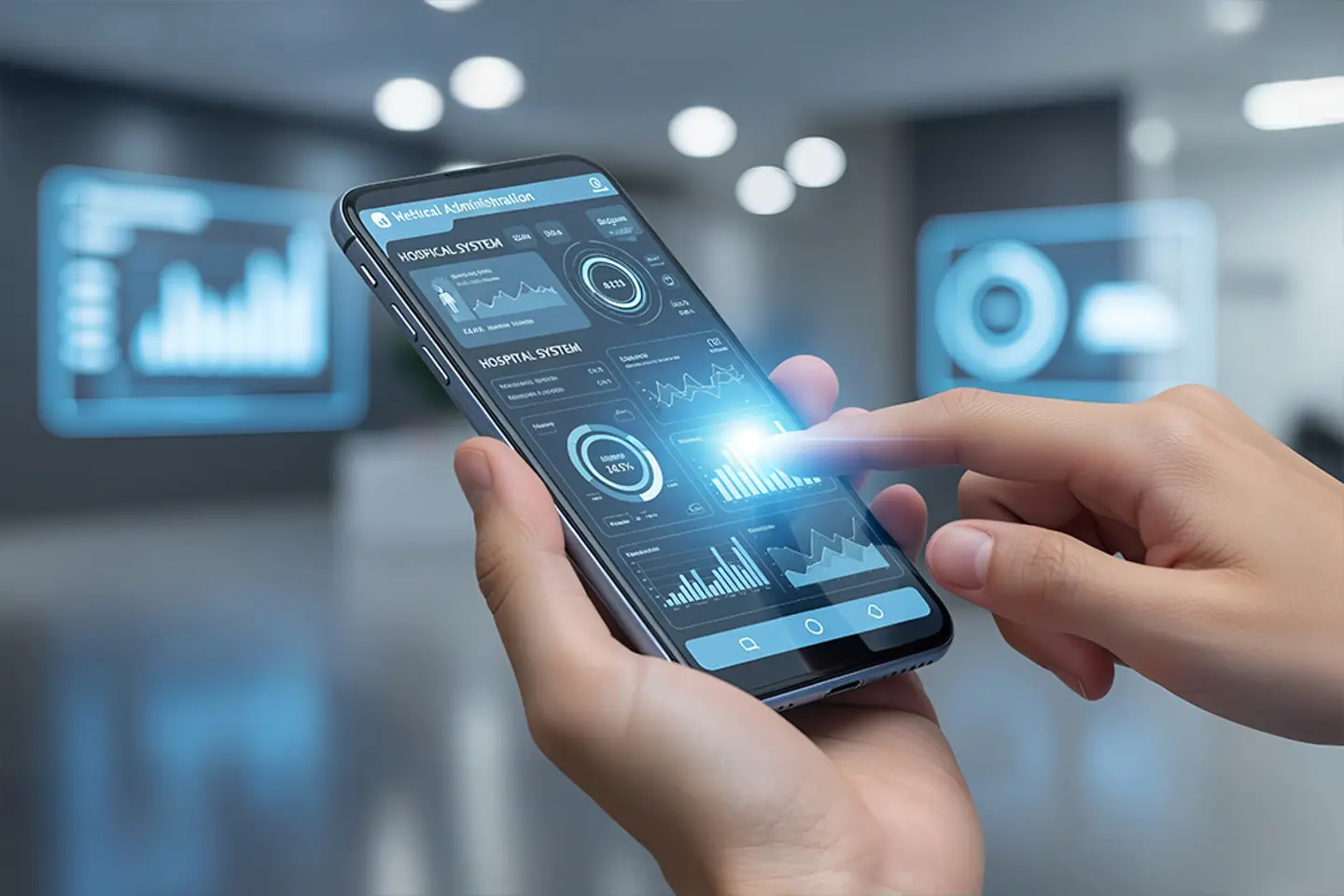
 Image generated with AI
A connected and secure clinical ecosystem ensures real-time access to trusted information across departments, from documentation to rehabilitation and reimbursement, reducing complexity, and enabling resilient care. Backed by best-in-class security and interoperability, T-Systems’ clinical applications portfolio provides the best-connected ecosystem in the market, simplifying hospital workflows, improving coordination, and enabling faster care delivery.
You can display all external content on the website at this point.
I agree that personal data may be transmitted to third-party platforms. Read more about this in our privacy policy.
Discover how Deutsche Telekom and synedra combine global scale with advanced Health Content Management software expertise to reimagine digital healthcare. This powerful partnership ensures secure data management and enables more connected, patient-centric care, helping build a resilient healthcare IT ecosystem.
Clinical applications are systems that support care delivery, documentation, and clinical operations. This includes hospital information systems, patient records, workflow tools, billing applications, rehab platforms, and SAP-enabled processes. Together, they enable consistent patient documentation, better coordination, and more efficient clinical execution across departments.
Hospitals operate across multiple departments, facilities, and systems. Without interoperability, data becomes fragmented, workflows break down, and clinicians spend time searching for information rather than acting on it. Interoperability ensures patient data flows securely across systems, enabling real-time decisions, continuity of care, and better operational transparency.
Clinical applications reduce workload by standardizing documentation, enabling mobile access, automating administrative tasks, and ensuring information is available where care happens at any time. When workflows are connected, clinicians avoid duplicate documentation, reduce manual coordination, and spend less time on non-clinical tasks, improving both efficiency and care quality.
Billing complexity differs significantly by country and reimbursement model. That is why our portfolio includes iMedA for Germany-specific billing requirements, and an SAP S/4HANA-based billing approach for international markets. This ensures hospitals receive the right billing solution for their regulatory environment while maintaining compliance and financial stability.
Mobile clinical applications provide healthcare professionals with direct access to patient information at the point of care. Clinicians can document treatments, review results, and coordinate tasks without returning to workstations. This reduces delays, improves documentation quality, and supports faster decisions - particularly in high-pressure environments such as emergency care and intensive care units.
Billing in healthcare is highly regulated and differs across regions, payers and reimbursement models. Errors or delays can create financial risk, compliance exposure and lost revenue. Hospitals need billing solutions that integrate seamlessly with clinical workflows and support complex coding and reimbursement rules. Specialized systems such as iMedA address German billing complexity, while flexible international billing solutions support diverse markets.
1 Hospital Information System - iMedOne® & Mobile: Deutsche Telekom Clinical Solutions GmbH, Sternengasse 14-16, DE-50676 Köln.
2 Mobile Patient Record: T-Systems Austria GesmbH, Rennweg 79-99, AT-1030 Wien.
3 Billing - iMedA: Deutsche Telekom Clinical Solutions GmbH, Sternengasse 14-16, DE-50676 Köln.
4 Billing - international: T-Systems Austria GesmbH, Rennweg 79-99, AT-1030 Wien.
5 REHA.Complete: T-Systems Austria GesmbH, Rennweg 79-99, AT-1030 Wien.
6 SAP solutions for healthcare: Deutsche Telekom Healthcare and Security Solutions GmbH, Friedrich-Ebert-Allee 140, DE-53113 Bonn.
7 TrialComplete - Study Management: Deutsche Telekom Healthcare and Security Solutions GmbH, Friedrich-Ebert-Allee 140, DE-53113 Bonn.