 Image generated with AI
The Open Sovereign Cloud is built entirely on open-source technology and gives you full digital sovereignty. It frees you from licensing costs and makes you independent of non-European providers. Your data is securely hosted in geo-redundant data centers in Germany, safeguarded by confidential computing and strict adherence to top standards like ISO 27001 and BSI C5.

Alexander Gerlach is a Sovereign Cloud expert at T‑Systems, specialising in open cloud architectures that enable organisations to combine innovation, security and digital sovereignty.
The Open Sovereign Cloud represents the next generation of cloud computing. It is developed and operated by T-Systems based on state-of-the-art open-source technologies. OSC leverages key technologies developed within the NeoNephos Foundation under the umbrella of the Linux Foundation Europe. This gives you a platform consistently designed for European sovereignty, transparency, and independence. With OSC, you retain full control over your data and infrastructure. All data, including metadata, is processed and stored exclusively in certified EU data centers, without exposure to the CLOUD Act or geopolitical dependencies. This ensures compliance with the highest security standards at every stage.
The platform provides Kubernetes as a Service on a flexible infrastructure solution, complemented by advanced security features such as confidential computing and Hardware Security Module (HSM) integration. Thanks to a multi-vendor approach and open architecture, you benefit from maximum innovation, resilience, and technological independence.
The Open Sovereign Cloud is purpose-built to meet the highest data protection standards, making it ideal for sensitive data in sectors like healthcare and the public sector. BSI C5 Type II attestation verifies compliance with stringent security and regulatory requirements, providing maximum trust and proven security. Other industries also benefit from the security and transparency offered by a sovereign cloud.
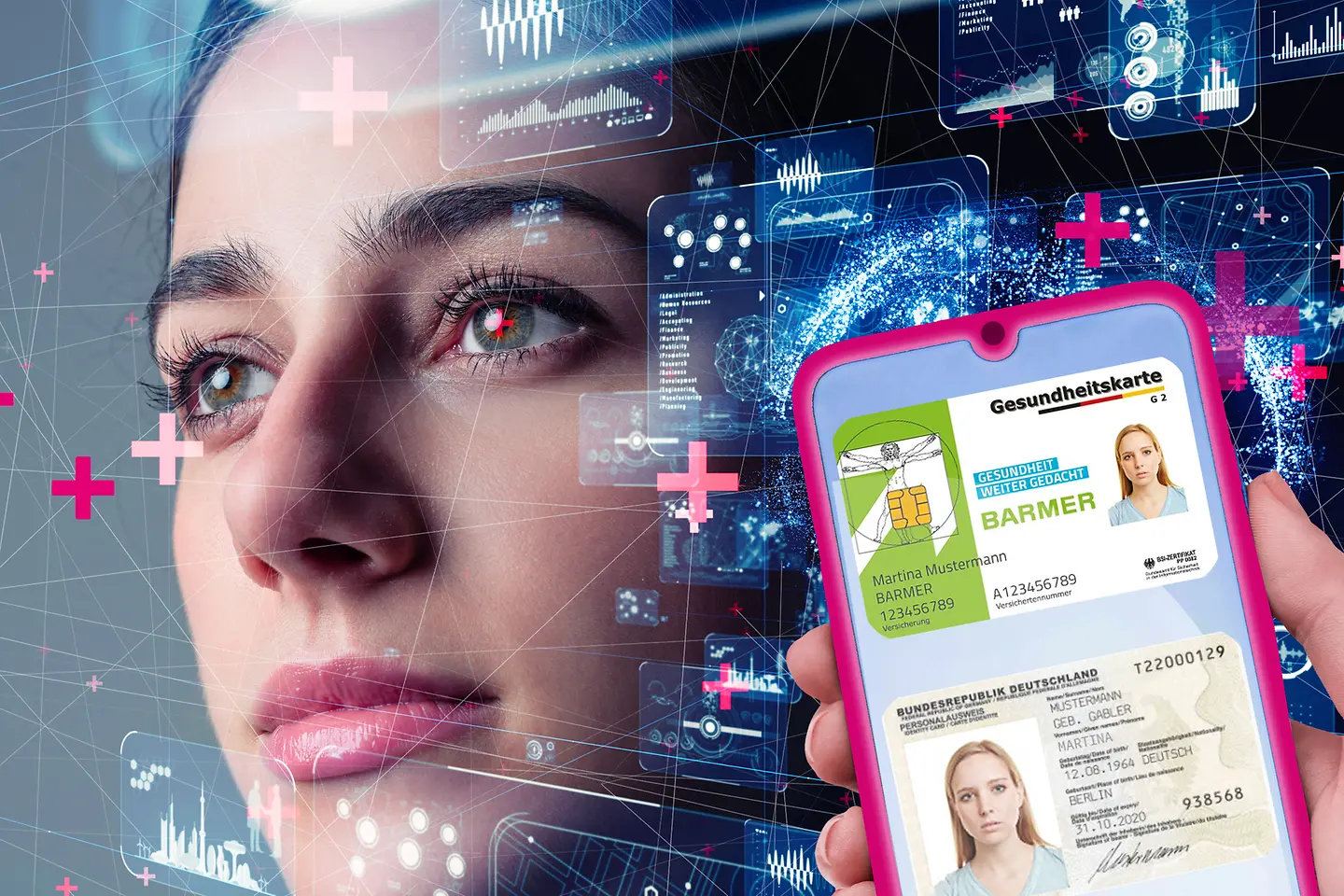
The platform complies with gematik requirements for VAU and ensures full encryption of data during processing. It also consistently meets the requirements of Section 203 of the German Criminal Code (StGB) and Section 35 of the German Social Code Book I (SGB I). For maximum security, the solution supports the use of Hardware Security Modules (HSM). External organizations validate its reliability; for instance, Barmer has recognized the platform as trustworthy. In a reference project by T-Systems and Verimi, a secure identification and authentication solution for Barmer was implemented, enabling the secure integration of the electronic health card into smartphones. Furthermore, the German Federal Office for Information Security (BSI) has confirmed that the Verimi procedure meets the requirements for a high level of assurance.