 Image generated with AI
A software-defined vehicle (SDV) is a car whose core functions are controlled and continuously improved by software rather than hardware. It uses powerful central computers, sensors, and cloud connectivity to enable continuous updates, new features, and performance enhancements over time. This transforms the vehicle into smart, evolving digital platforms on wheels.
In traditional vehicles, electronic control units (ECUs) determine a fixed functionality, whereas an SDV can be updated, improved, or transformed through over-the-air (OTA) software updates. This ability to redefine a vehicle’s capabilities throughout its lifecycle is the hallmark of the SDV revolution.
In short: A software-defined vehicle is one where software is the primary driver of innovation, control, and customer value, rather than hardware.
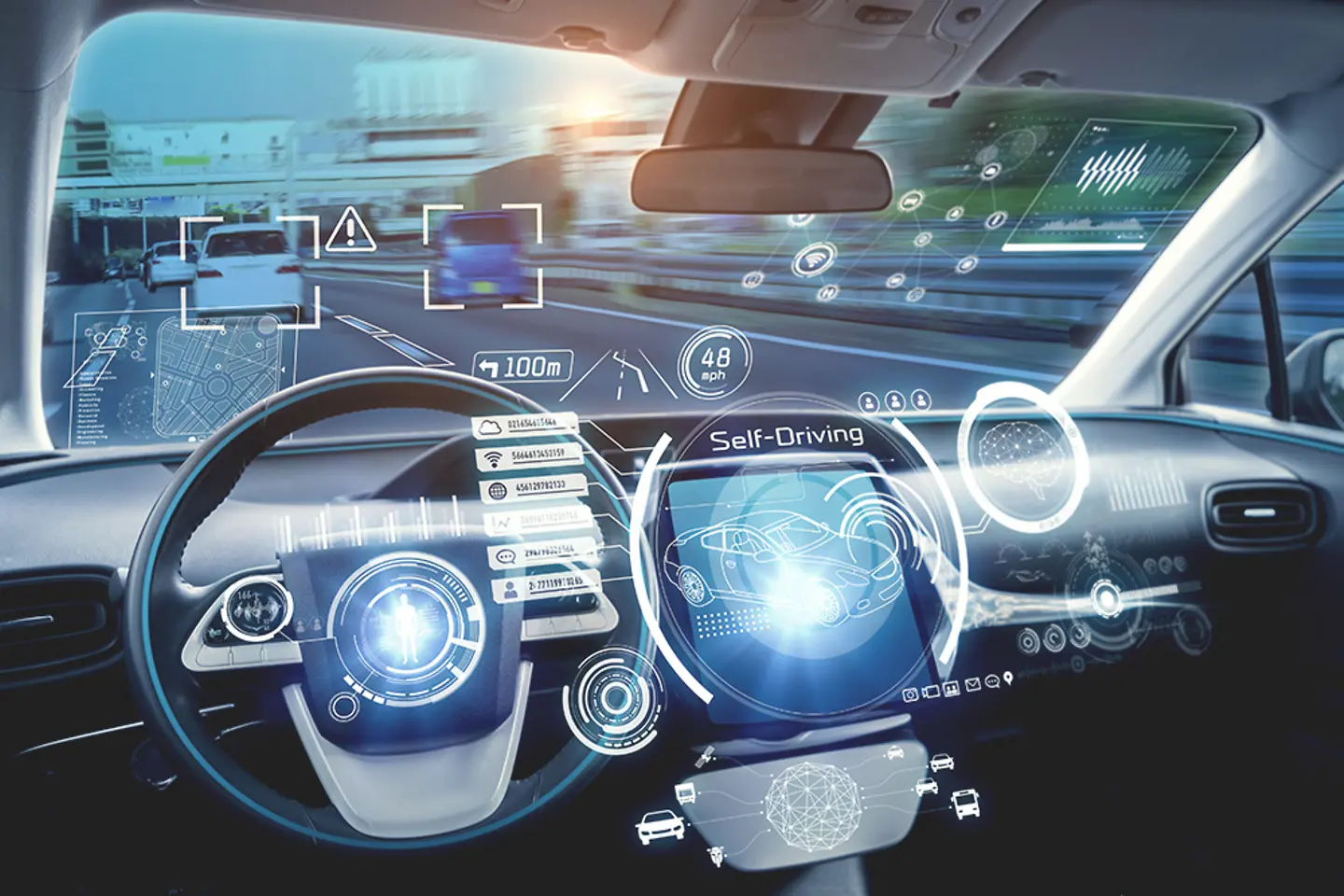
An SDV operates on the principle that nearly every function from acceleration to infotainment is controlled by software running on centralized computing platforms. Traditional cars use dozens of individual electronic control units (ECUs) for specific tasks, but SDVs consolidate these into a few powerful vehicle computers. These high-performance units run virtualized software layers that manage multiple applications simultaneously, much like how a smartphone running different apps under one operating system.
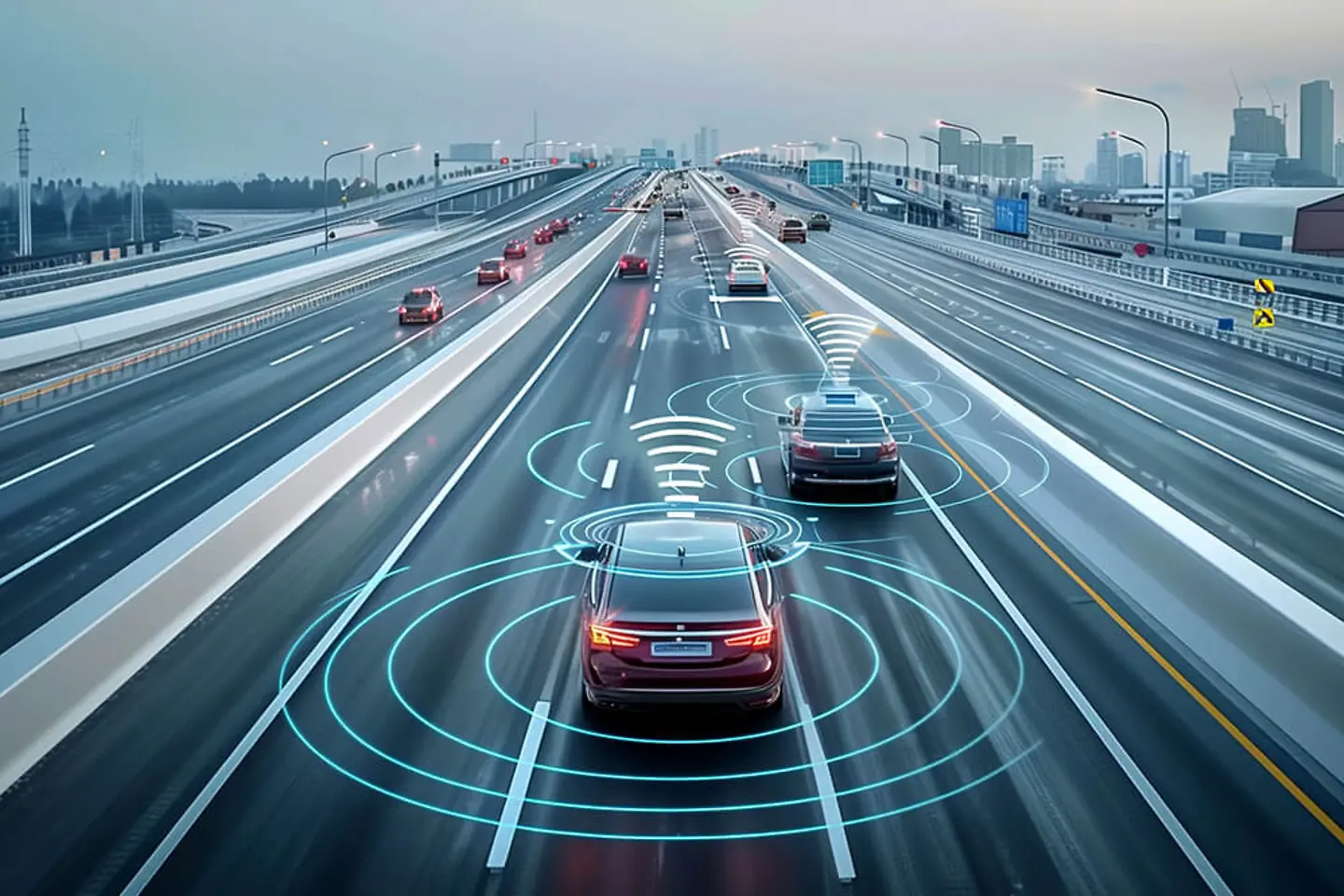
The SDV’s “brain” continuously interacts with sensors, cameras, radar, and light detection and ranging (LiDAR) to gather real-time data about the vehicle and its environment. This data is processed locally for immediate decisions, such as adaptive braking or lane assistance, and uploaded to the cloud for long-term analysis, model training, and fleet optimization.
Through OTA updates, manufacturers can introduce new features, improve safety systems, or patch vulnerabilities without physical recalls. These updates rely on encrypted communication between the vehicle and cloud servers, ensuring authenticity and integrity.
In short, SDVs work as software ecosystems on wheels that combine edge computing, AI analytics, and cloud orchestration to make vehicles smarter, safer, and always up to date.
A connected car uses network connectivity to exchange data and services but still depends on hardware-bound ECUs. A software-defined vehicle, in contrast, integrates connectivity with centralized computing platforms, enabling continuous feature deployment and upgrades.
Tesla is often cited as a pioneer in this aspect. Its vehicles receive regular OTA updates that add new features, optimize energy usage, and improve safety without requiring new hardware. While all SDVs are connected cars, not all connected cars are true SDVs.
The key technologies that enable SDV are:
At the heart of every SDV is a software architecture built for scalability and security. Middleware, embedded OS, and hypervisors orchestrate resources across central computers, enabling both real-time safety functions and driver personalization. Compliance with UNECE R155 (cyber security) and R156 (software update management) is non-negotiable.
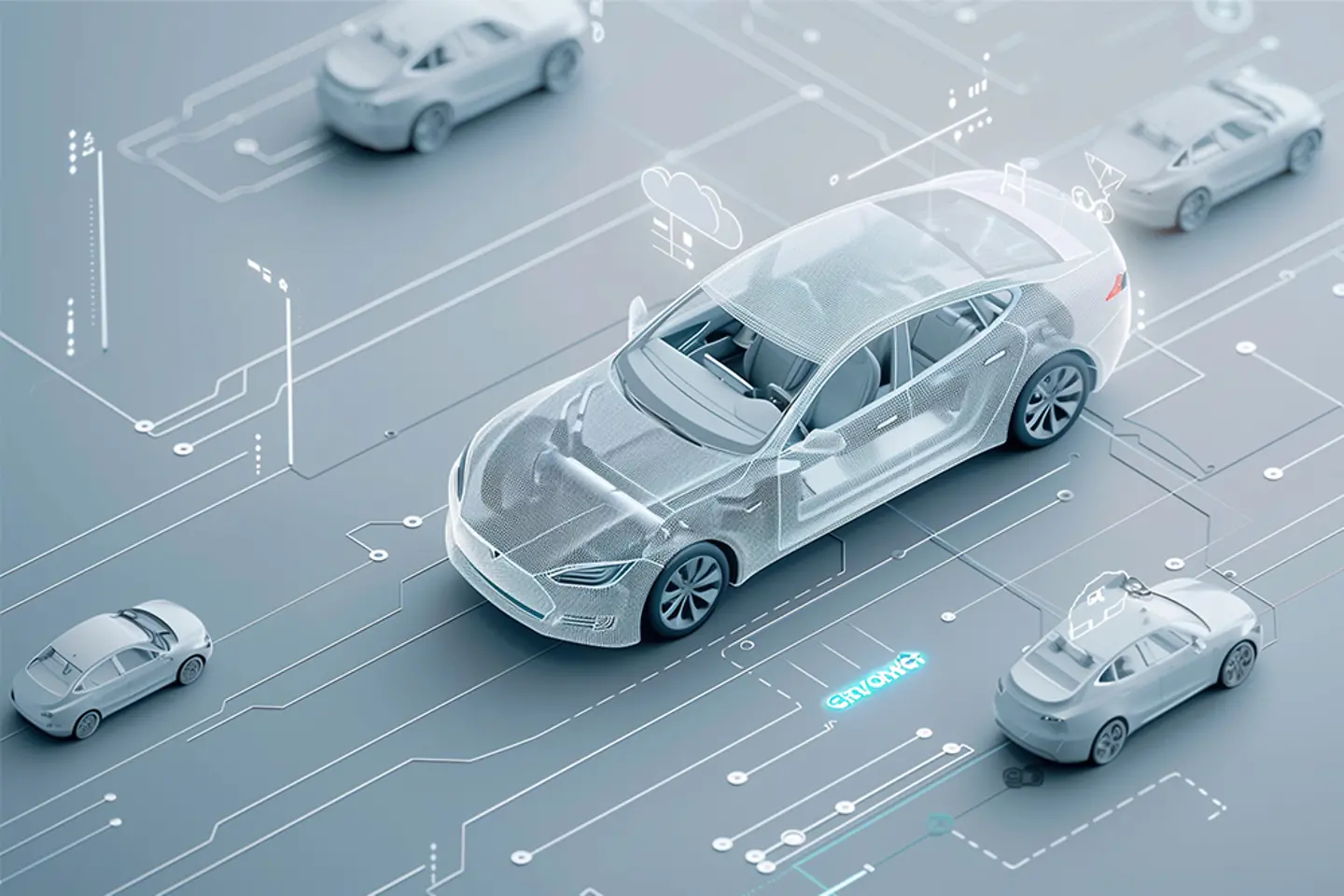
Instead of fragmented ECUs, SDVs consolidate intelligence into vehicle computers and domain controllers. These act like servers on wheels, processing vast amounts of data from cameras, LiDAR, radar, and sensors. Persistent 5G, Wi-Fi, and V2X connectivity links vehicles with OEM backends, cloud services, and third-party ecosystems. This supports fleet learning: when one vehicle encounters a rare scenario, the data improves the intelligence of the entire fleet.
OTA updates are the most visible SDV feature. They deliver patches, new functions, and performance boosts directly to vehicles—no workshop visits required. From safety upgrades to infotainment enhancements, OTA makes vehicles evolve like smartphones. This changes the ownership model. Due to OTA, buying a car no longer freezes its features. With SDVs, the car becomes more valuable over time.
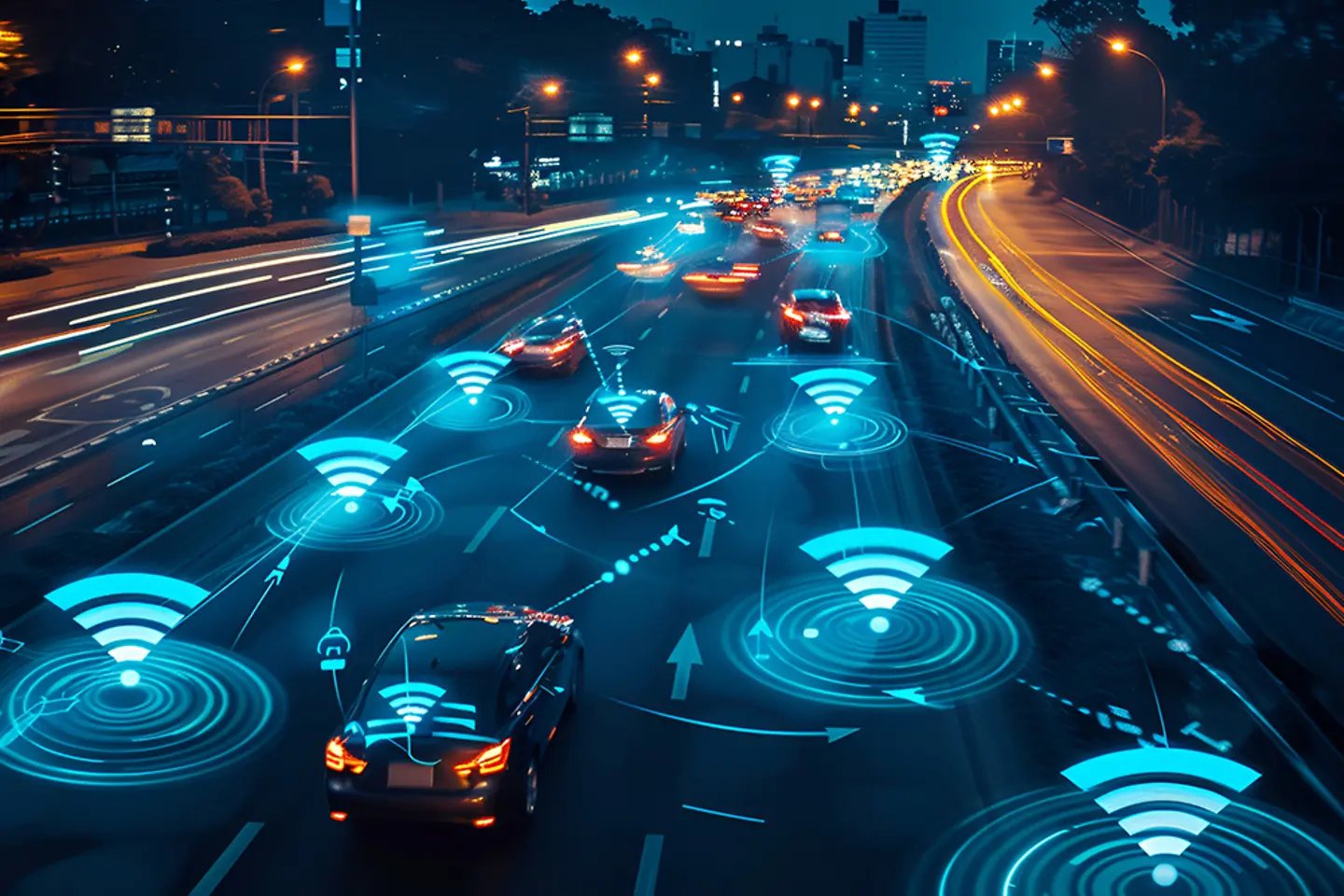 Image generated with AI
OTA refers to delivering software updates, fixes, and new features to a vehicle wirelessly without requiring a service visit. Unlike traditional vehicles that require physical recalls or service visits for updates, SDVs rely on secure, wireless communication channels to receive software enhancements remotely. This process enables manufacturers to roll out new functionalities, performance improvements, and cyber security patches without interrupting vehicle operation. For consumers, it means a continuously evolving car that becomes smarter, safer, and more efficient over time. For OEMs, OTA reduces costs, enhances brand loyalty, and ensures faster time-to-market for innovations.
The need for robust OTA platforms is becoming increasingly critical as vehicles evolve into complex digital ecosystems. These platforms act as centralized systems for managing software distribution, monitoring update success rates, and verifying compatibility across millions of configurations. In addition to ensuring smooth delivery, OTA platforms must meet strict cyber security standards—encrypting data, authenticating updates, and preventing unauthorized access. They also support regulatory compliance under frameworks like UNECE R156, which governs software update management systems (SUMS).
Moreover, OTA platforms enable predictive maintenance and fleet optimization by allowing vehicles to send diagnostic data back to manufacturers. This continuous feedback loop helps identify potential failures before they occur, improving reliability and safety. As SDVs adopt increasingly modular architectures, the ability to update specific components independently, such as power management, ADAS, or infotainment, becomes essential.
Ultimately, OTA platforms are not just update tools; they are the backbone of the SDV lifecycle. They ensure that innovation is continuous, vehicles remain compliant, and users benefit from the latest technologies without disruption. In the era of digital mobility, OTA capabilities define the speed, safety, and scalability of automotive transformation.
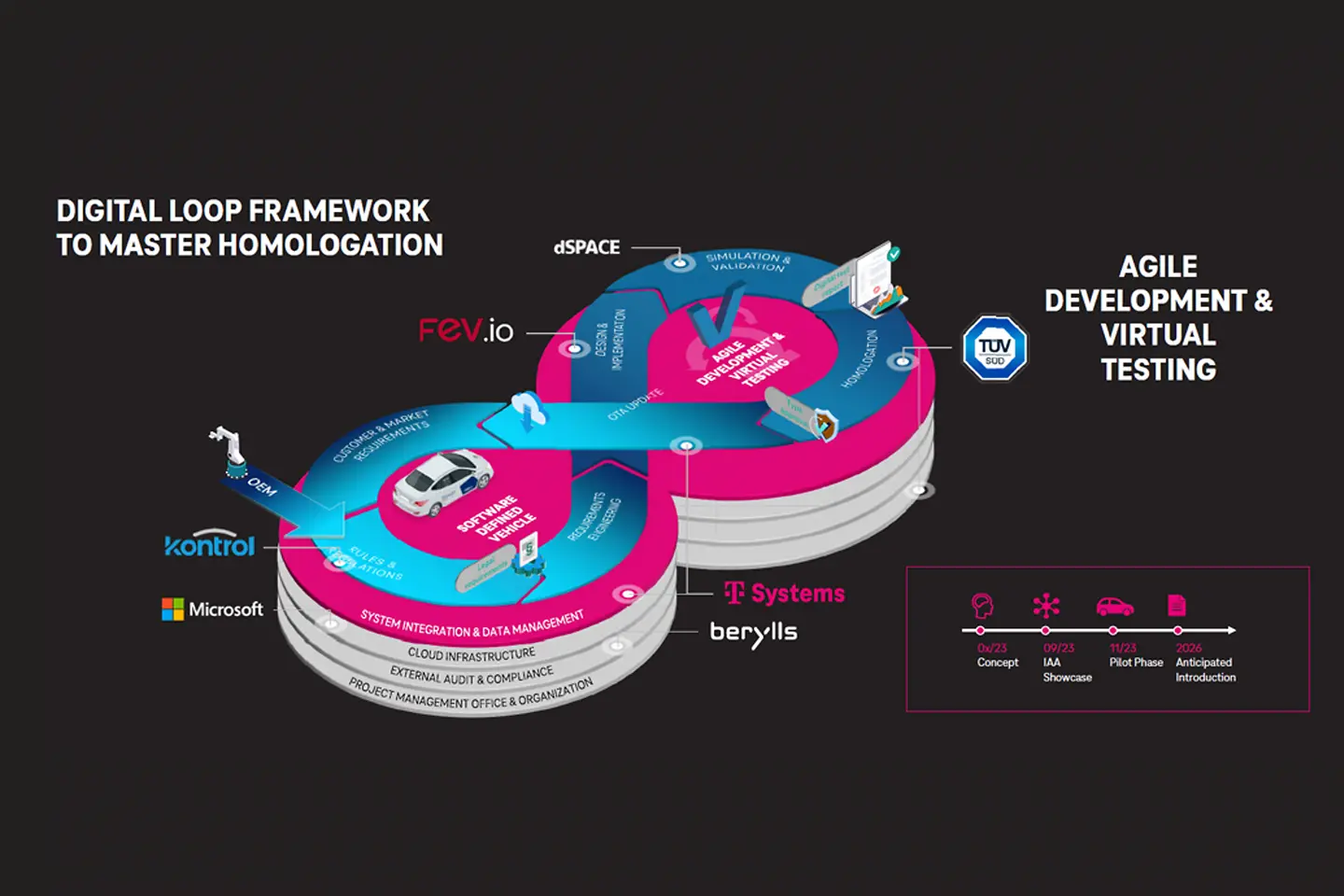
The Digital Loop is a continuous, data-driven framework that connects vehicle development, validation, and operation in the software-defined vehicle (SDV) ecosystem. It replaces traditional linear engineering models with an iterative cycle where real-world data from connected vehicles flow back into development and testing environments. This loop allows automakers to analyze performance, identify issues, and deploy OTA software updates faster and more securely. In the context of SDV architecture, the Digital Loop is essential for achieving virtual homologation, ensuring that every update meets safety and regulatory requirements before deployment.
By combining digital twins, simulation, and cloud-based analytics, the Digital Loop enables continuous improvement across the vehicle’s lifecycle. It bridges the gap between product engineering and in-field operations, allowing manufacturers to validate functions in real time and scale innovation safely. Ultimately, the Digital Loop transforms the SDV into a living system that learns, evolves, and stays compliant while delivering enhanced performance, safety, and user experience. It is the foundation that enables automakers to achieve faster time-to-market, maintain regulatory trust, and future-proof their vehicles in an era defined by constant software evolution.
Continuous validation and verification are vital within the Digital Loop to ensure that every software update performs reliably and safely across millions of vehicle variants. As SDVs evolve through frequent OTA updates, each new function must be rigorously tested in virtual environments and against real-world data. This ongoing validation process not only guarantees compliance with automotive safety and cybersecurity standards but also prevents system conflicts or performance degradation. By embedding continuous verification into the Digital Loop, automakers can maintain trust, minimize recall risks, and deliver seamless, secure updates throughout the vehicle’s lifecycle.
The main components of SDV development primarily include hardware, software and the interfaces between the two. These parts work together seamlessly to deliver a premium performance.
While software parts gain the most limelight in SDV, hardware is equally important. These include the following main parts:
The sensors are important to monitor the external and internal environments which enables the software to make better decisions. The ECUs are essential to manage the electrical systems of the vehicle. The ECUs can also multiple systems at once. The Actuators execute commands such as steering and braking of the vehicle.
The software part of SDV also has many layers that includes a core operating system, an OTA communication system, and user experience apps. The operating system (typically Linux or Windows) ensures that internal data communication is seamless and functions smoothly. The OTA communication systems are designed to connect and communicate with external data centers and offices. It is used to update and upgrade the automotive software that can add features to the vehicle. The user experience app layer contains infotainment systems, digital cockpits, ADAS, navigation systems, and other features like internal climate and cruise control etc. These features are designed to provide comfort while driving. These applications connect with the SDV operating system via middleware, which is another software layer that enables communication between the individual applications and the operating system. This also gives the SDV the capability to monitor their own performance via data analysis. The predictive maintenance features help identify and fix issues before they become big to solve.
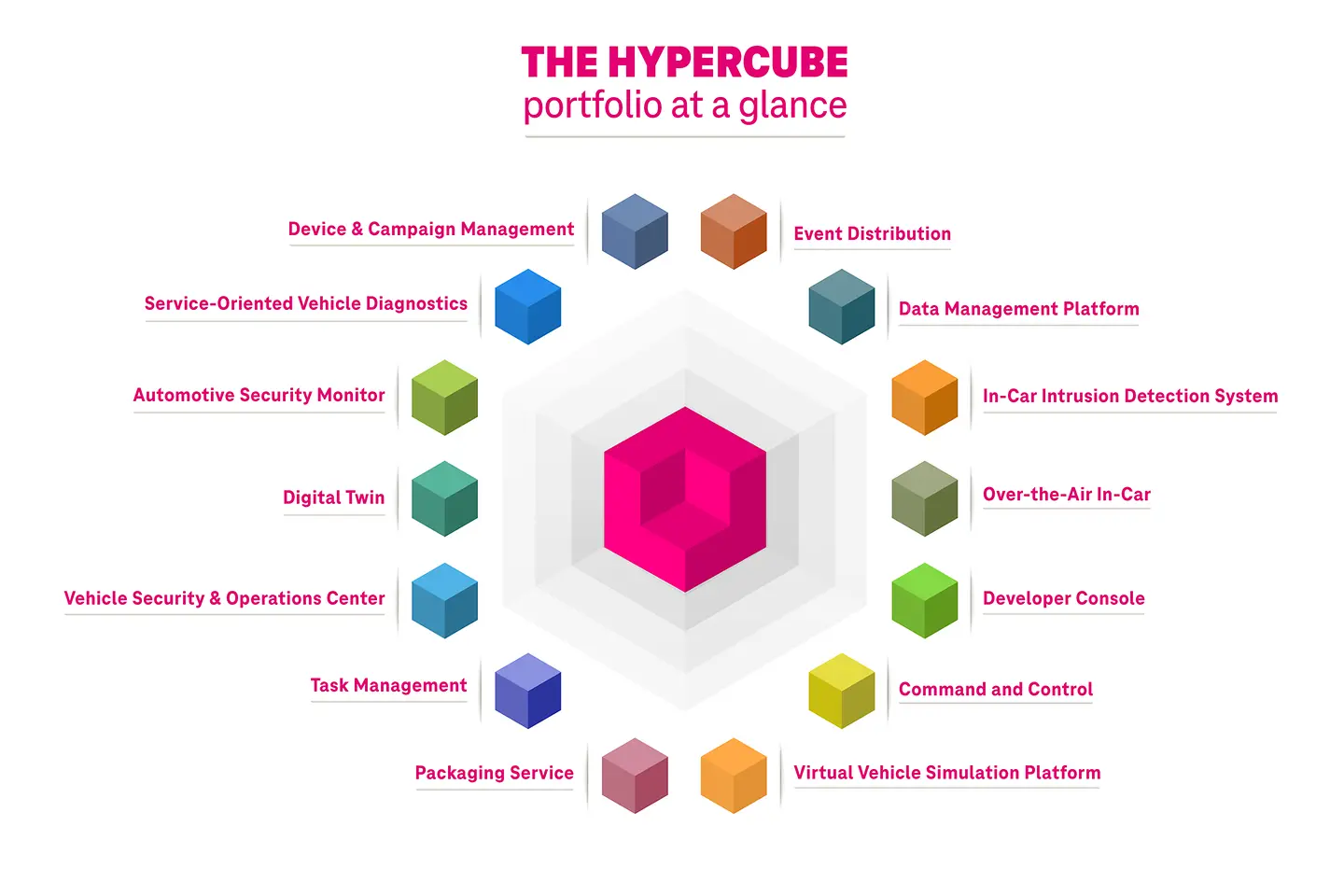
Hypercube, in the context of software-defined vehicles (SDVs), refers to a modular software development framework created by T-Systems to accelerate the development of SDV solutions. It provides standardized, modular software assets and development tools that help automakers reduce costs and time-to-market for new software features. This enables car manufacturers to focus on innovation rather than the non-differentiating software components.
Key aspects of Hypercube for SDVs
Today’s modern vehicles are more software than metals. And this automotive software needs security. As vehicles become data-driven platforms, data protection and privacy have emerged as defining challenges for the software-defined era. Each SDV generates vast quantities of sensitive data. This ranges from driver biometrics and location history to vehicle diagnostics and sensor recordings. Without robust safeguards, such data could expose users to privacy breaches or misuse.
To mitigate these risks, automakers must adhere to frameworks like the General Data Protection Regulation (GDPR) and automotive-specific standards such as UNECE R155 (Cyber security) and R156 (software update management systems). These regulations mandate data minimization, consent-based sharing, and secure data transmission.
Modern SDVs use end-to-end encryption, anonymization, and differential privacy to protect user information. Data collected for AI training or fleet optimization is stripped of identifiable details before leaving the vehicle. Moreover, sovereign cloud infrastructures ensure that personal and operational data remain within regional jurisdictions, maintaining transparency and regulatory compliance.
Vehicle data spaces such as Catena-X also empower users and companies to decide how and where data is shared. By adopting secure-by-design principles, OEMs can build trust with consumers, ensuring that connectivity enhances convenience without compromising privacy.
Data protection is not optional in the SDV era, it is the foundation of customer confidence and regulatory approval, as essential to the vehicle’s operation as its safety systems.
Managing millions of variants across fleets requires robust digital homologation frameworks. Consumers also expect seamless, instant updates that mirror the smartphone experience. OEMs that master speed, security, and scalability will lead the market.
 Image generated with AI
Sovereign clouds and data spaces are foundational for Europe's SDVs. They provide the secure infrastructure for managing massive vehicle data, crucial for autonomous features, while upholding digital autonomy and strategic resilience against geopolitical risks. They also ensure data control, security, and compliance within EU borders, enabling innovation (like OTA updates, digital twins) while reducing reliance on non-EU tech giants. It is imperative for adhering to GDPR, and fostering trusted data sharing for a robust, independent European digital future.
SDVs generate massive amounts of sensitive data. Sovereign cloud solutions ensure European jurisdiction, GDPR compliance, and independence from foreign laws. This protects OEM intellectual property, strengthens consumer trust, and safeguards mobility infrastructures. It also helps to implement robust encryption, access controls, and local management for critical functions like OTA updates and AI/ML processing.
Sovereign cloud gives full control over infrastructure, operations, and maintenance, reducing dependence on non-EU providers for OEMs. Along with this security, it also enables the development of digital twins, fleet management, and advanced analytics using federated data spaces (like the Mobility Data Space).
Sovereign cloud allows secure, standardized collaboration across stakeholders. It also reduces latency in safety-critical updates by processing data closer to where it is generated.
Catena-X is Europe’s first open automotive data space. For SDVs, it provides:
For example, an SDV update validated by one OEM can be shared securely across Catena-X, giving regulators, suppliers, and partners trusted access. This reduces duplication and accelerates certification.
Sovereign cloud and Catena-X illustrate Europe’s approach of balancing openness with control. Policymakers push digital sovereignty to protect competitiveness, while OEMs and tech firms collaborate on trusted ecosystems. Sovereign cloud ensures control while Catena-X ensures collaboration. Together, they enable SDVs to scale securely in Europe, turning data sovereignty into a competitive advantage.
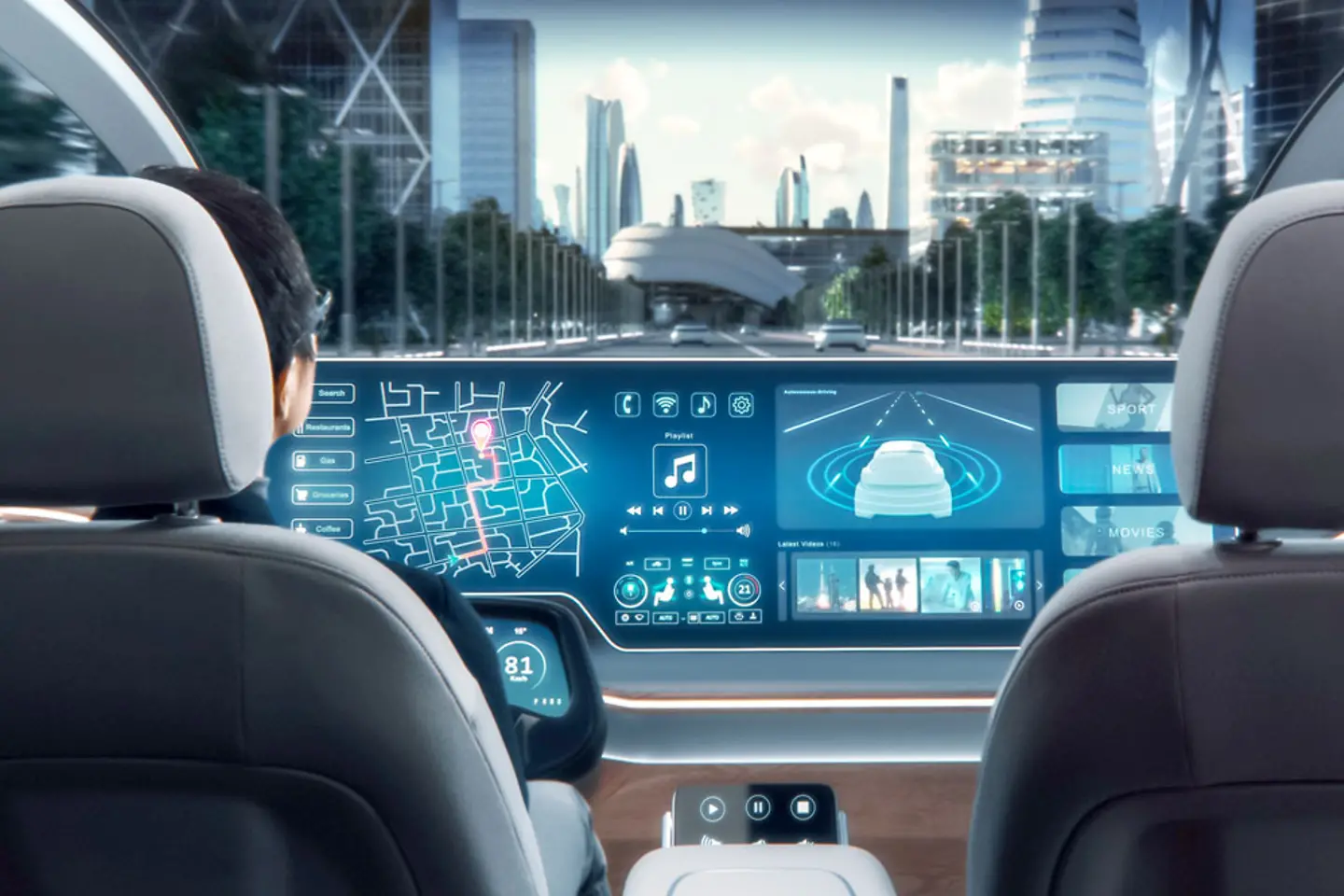
The user experience in an SDV becomes highly personalized, connected, and continuously evolving, much like using a smartphone. One can continue adding new features long after the vehicle leaves the factory. These are done through remote software updates. This can improve everything from engine parameters and fuel efficiency to braking and steering performance. Users also experience a better sense of security as safety-critical systems can be remotely updated to fix bugs or patch security vulnerabilities, addressing potential threats without requiring physical recalls. Robust cyber security protocols are integrated by design to protect against external threats. Driver experience is enhanced with advanced features like adaptive cruise control, collision avoidance, and autonomous driving capabilities, which can be improved and scaled over time through software updates.
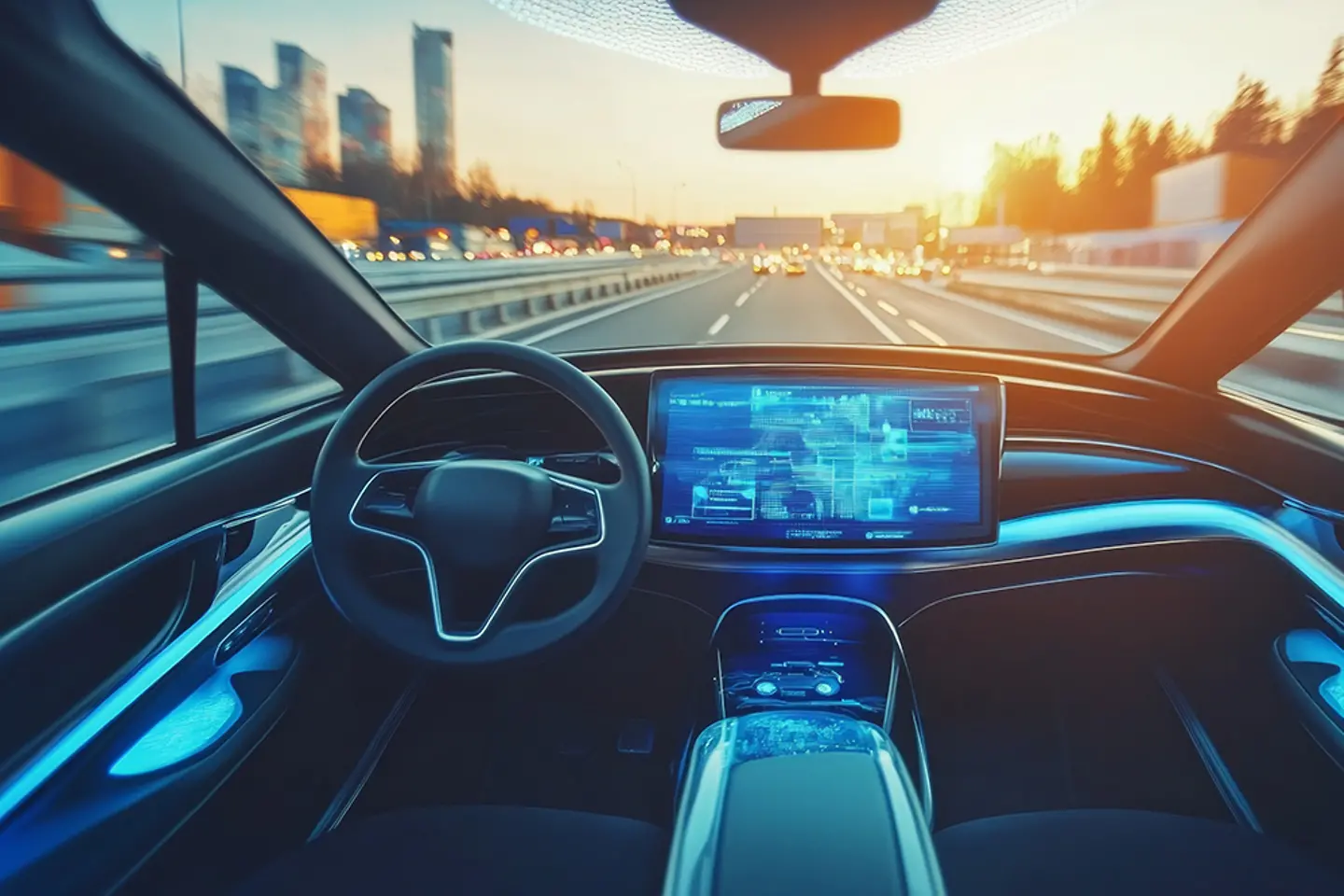 Image generated with AI
ADAS functionality in SDV refers to advanced driver assistance features that are primarily powered, improved, and extended through software. In traditional vehicles, ADAS capabilities—such as lane-keeping, adaptive cruise control, automatic emergency braking, or parking assistance were fixed at production and tightly bound to hardware-based ECUs. In an SDV, these functions run on centralized computing platforms, allowing manufacturers to continuously refine, upgrade, and even add new ADAS features OTA.
Because SDVs use high-performance processors, AI-driven perception, and cloud connectivity, ADAS systems can operate with greater accuracy, more context awareness, and faster response times. Industrial AI models analyze sensor data (camera, radar, LiDAR) in real time, while updates from the cloud ensure that the ADAS algorithms stay current with the latest safety improvements, traffic insights, or regulatory changes.
A new type of collaborative partnership: Automotive and IT industries are converging. Automakers provide manufacturing and safety expertise; IT providers bring AI, cloud, and cybersecurity. Together, they build collaborative ecosystems where vehicles act as secure, updateable digital platforms.
Ecosystem expansion and new business models SDVs enable service-based revenue: app stores, feature unlocks, subscription upgrades. Fleet operators use cloud dashboards for dynamic management. Forecasts suggest that software will become the largest revenue generator in the automotive industry.
The future of software-defined vehicles (SDVs) will be shaped by the rapid convergence of industrial AI, high-performance cloud platforms, and real-time data ecosystems. As vehicles become rolling supercomputers, industrial AI will enable them to interpret complex environments, anticipate driver needs, and make autonomous decisions with increasing accuracy.
AI models trained on vast fleets will continuously refine safety functions, energy efficiency, and predictive maintenance, reducing downtime and improving the total cost of ownership. This shift transforms SDVs into self-optimizing systems—vehicles that not only react to conditions but learn from them. Edge AI processors inside the car will handle millisecond-level decisions, while cloud-hosted AI pipelines enable deeper learning, simulations, and validation cycles that power the next generation of ADAS and autonomous driving features.
The cloud-native SDV architectures will define how vehicles are updated, managed, and monetized. With scalable cloud platforms, automakers can deploy new functions globally, run digital twins for validation, and orchestrate software updates with zero downtime. Cloud ecosystems will also enable collaborative innovation across OEMs, suppliers, and regulators, creating shared data spaces that accelerate development while ensuring cybersecurity and compliance. As 5G and edge computing mature, SDVs will benefit from ultra-low latency communication, allowing real-time feature delivery, swarm intelligence, and connected mobility services that span cities, fleets, and infrastructures. Ultimately, the fusion of industrial AI and cloud technology will turn SDVs into continuously evolving mobility platforms, redefining customer experience, creating new business models, and pushing the automotive industry into a fully digital era.
The rise of SDVs represents a fundamental shift in mobility. By moving from hardware-first to software-first approach, the industry has unlocked continuous innovation, longer lifecycles, and new revenue streams. Cars no longer lose value with age, instead they evolve now.
In Europe, sovereign cloud and Catena-X add a strategic dimension: trust and sovereignty. These frameworks ensure compliance, protect data, and enable collaboration across ecosystems. They show how IT and automotive can complement each other to create vehicles that are not only advanced but also secure and transparent.