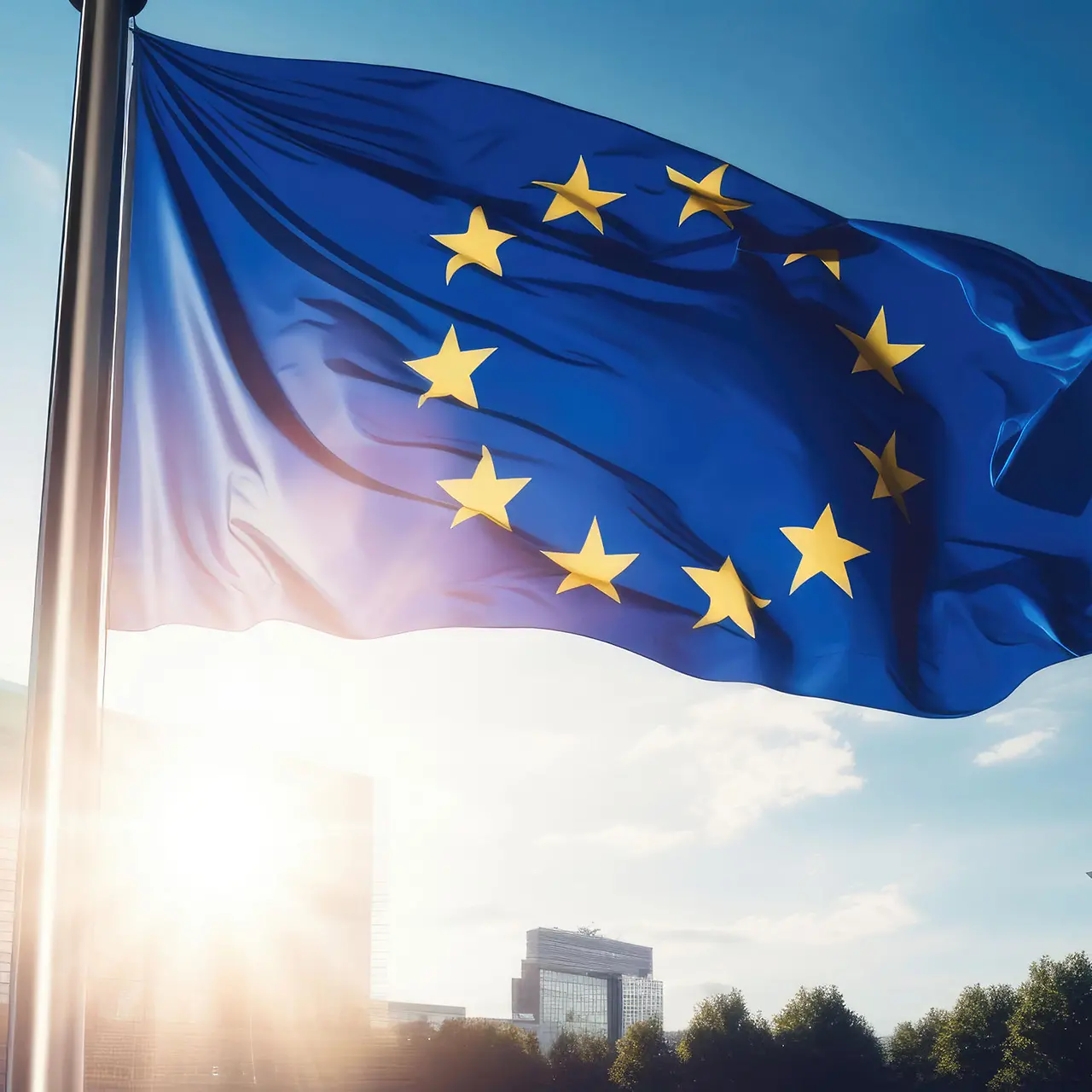
 Image generated with AI
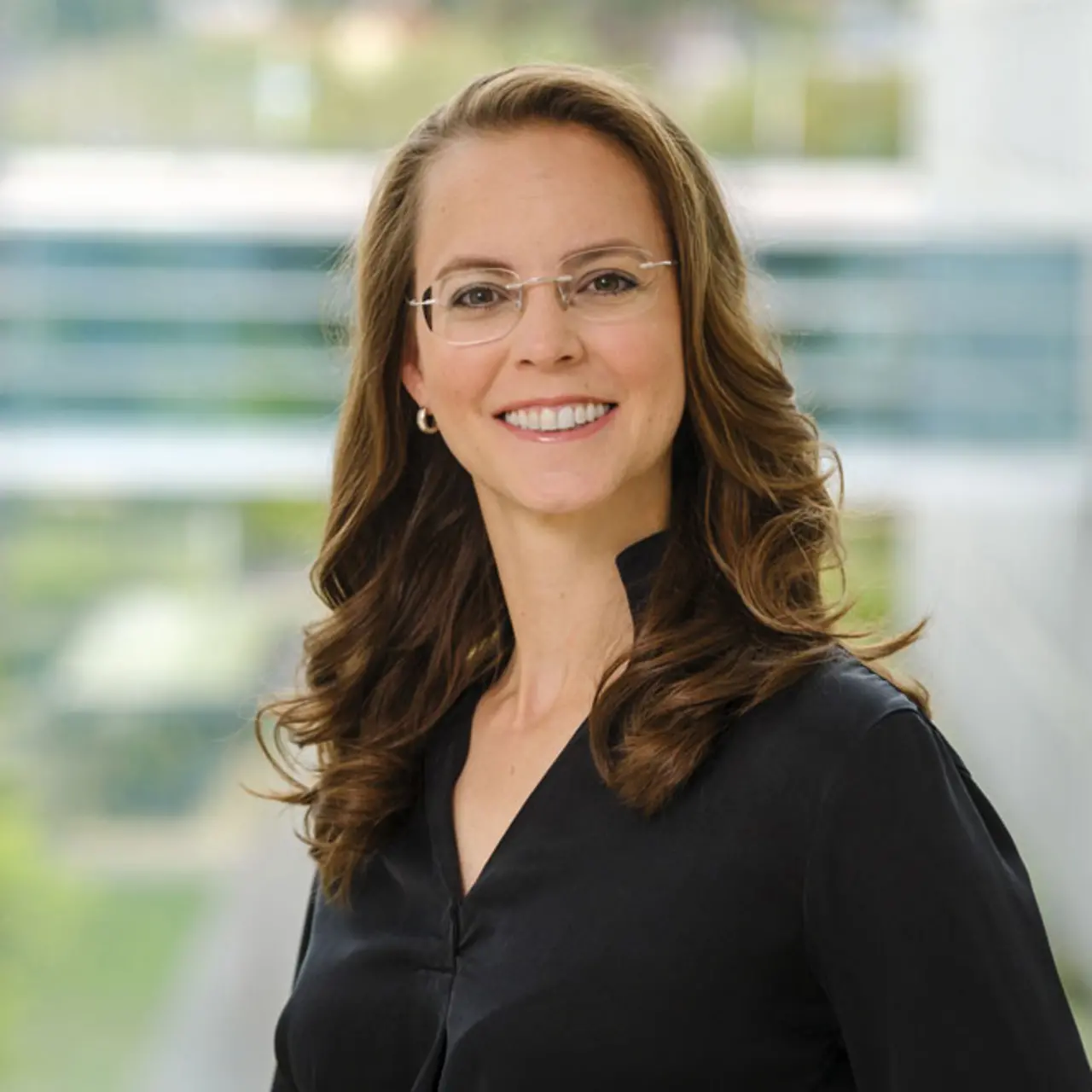
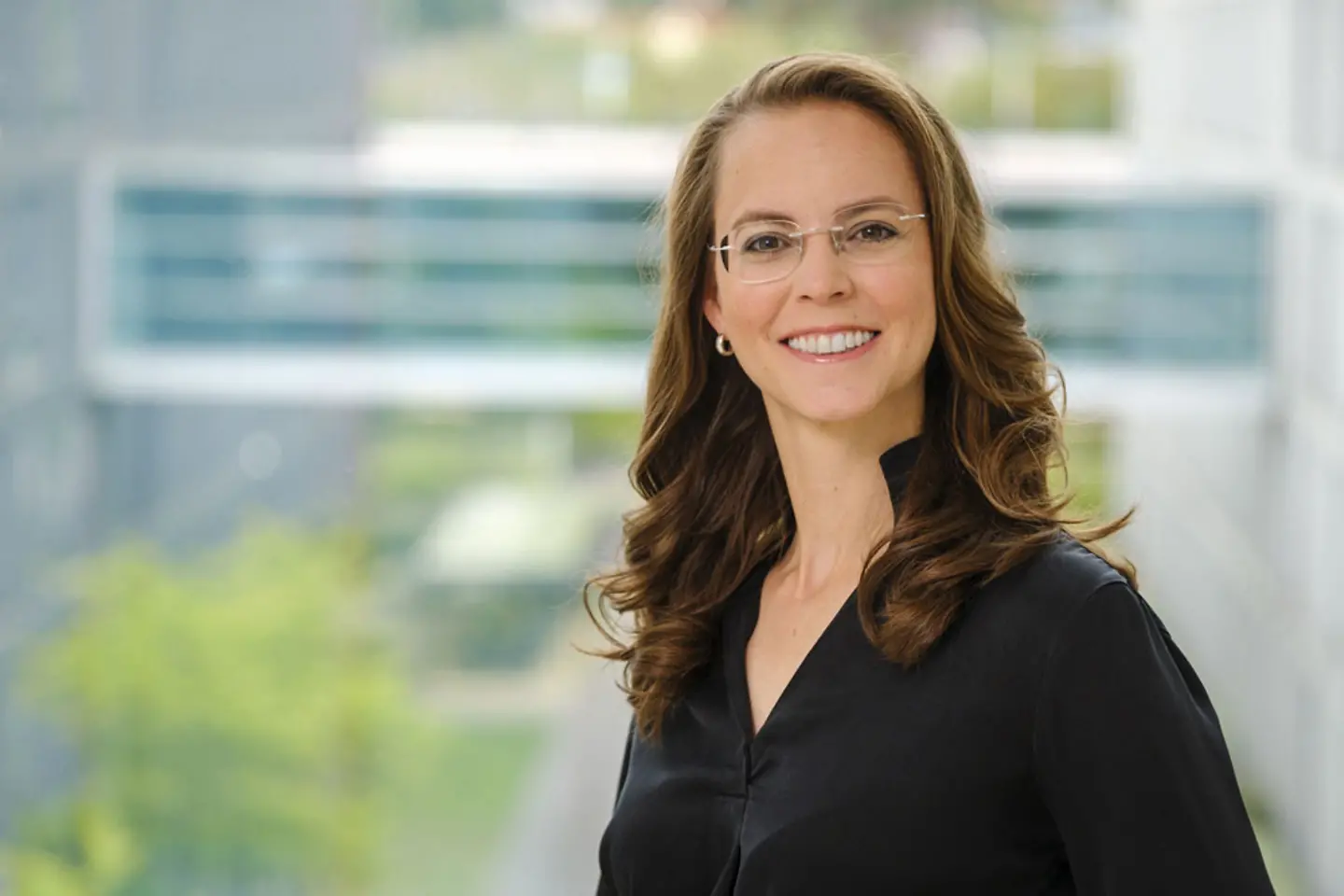
Digital sovereignty is on everyone's lips. But how much independence do companies really need? And where does the desire for maximum control become an obstacle to innovation and competitiveness? Christine Knackfuß, Chief Sovereignty Officer at T-Systems, advocates for a nuanced perspective on the topic. In the podcast at DIGITAL X, she spoke about Europe's technological dependencies and the opportunities offered by sovereign cloud and AI solutions, and explains why digital sovereignty above all needs one thing: pragmatism.
Our economy thrives on international collaboration and global supply chains. This applies in particular to digital technologies. Europe sources around 80 percent of its critical digital technologies from non-European countries. This is, first and foremost, an expression of a globally networked economy. However, it becomes problematic when this gives rise to one-sided dependencies.
For me, therefore, what is decisive is not to question every dependency in principle, but to look closely at these areas. Where do economic risks arise? Where could services be restricted or shut down? And where does the risk of losing sensitive data or valuable intellectual property arise?
Especially in the age of AI, the last question is gaining in importance. When companies use their own data to train AI models, they must be able to ensure that their most valuable know-how remains protected. This particularly affects the German small- and medium-sized sector with its many hidden champions, whose competitive advantage is often based on highly specialized knowledge and unique data.
A widespread misconception is that data is automatically sovereign as soon as it is stored in a German data center. But the location alone says little about who actually has access to that data.
At least equally important are the legal framework conditions and the operational structures. Which law governs the cloud provider? Who administers the systems? Who can access data? And who decides, in an emergency, whether a service continues to operate?
For our sovereign cloud solutions, we therefore do not rely solely on European data center locations. What is decisive is the interplay of data storage, European operations, and legal sovereignty. Our systems are operated by European Telekom employees and are subject to German and European law.
This is how we create the conditions for companies to retain control over their business-critical data and applications. Because digital sovereignty is far more than a question of server location.
As important as digital sovereignty is, I am convinced that we need to approach the topic in a more nuanced and less emotional way. Not every application requires the same level of protection.
Around 60 percent of public cloud workloads have no special sovereignty requirements. For the remaining 40 percent, different levels of protection are relevant. The two highest sovereignty levels are only required for around 10 percent of all workloads.
Therefore, companies should first analyze which applications and data are actually critical. A publicly accessible online shop has different requirements than a system that processes sensitive research data or controls central industrial processes.
This is also a question of economic viability. Maximum sovereignty at any cost would tie up resources that companies need elsewhere for innovation and growth.
For me, the decisive question is not: "How do we become independent everywhere?" But rather: "Where do we need to become more independent in order to continue acting autonomously in the future?"
How complex global dependencies are is illustrated by a look at the hardware. The manufacturing of a single server can involve 30 to 100 countries along the entire supply chain. Individual components cross national borders multiple times before the finished product is created.
Those who demand complete independence here misjudge the reality of our global economy. We should therefore deploy our resources in a targeted manner where critical dependencies exist and where we can actually make a difference.
This is especially true for software. Here, missing security updates or restricted access rights can lead to significant risks within a short period of time. At the same time, European providers—particularly when it comes to especially high sovereignty requirements—have the opportunity to differentiate themselves with their own solutions. For me, the decisive question is therefore not: "How do we become independent everywhere?" But rather: "Where do we need to become more independent in order to continue acting autonomously in the future?"
Europe will not be able to catch up with the global market leaders in every technology field. Nor does this need to be our ambition. Far more important is the question of where we can strategically deploy our own strengths.
From my perspective, industrial AI is a particularly promising field. Europe possesses enormous industrial know-how, decades of engineering experience, and high-quality enterprise data. If we combine these strengths with powerful AI, applications that create a genuine competitive advantage can emerge.
Be it digital twins, industrial simulations, or production process optimization: this is where the opportunity lies to generate new value from European knowledge and European data.
With our AI Factory in Munich and the T Cloud, we are creating the technological foundation for this. Companies can develop and operate AI applications without having to sacrifice sovereignty over their sensitive data.
I see a great opportunity for Europe in this—we don't necessarily have to develop the largest AI language models. But we can become world leaders in combining AI with our industrial know-how.
Digital sovereignty must neither become a mere marketing promise nor an end in itself. It must help companies reduce risks, strengthen their competitiveness, and remain capable of action even under changing geopolitical conditions.
For this, we do not need complete isolation from international technologies. We need a realistic understanding of our dependencies, strong European alternatives, and the ability to choose the right solution depending on the requirements.
At T-Systems, we support companies in assessing their individual risks and deriving the appropriate infrastructure strategy from them. Because sovereignty is not a question of black or white. It is about striking the right balance among security, economic efficiency, and the capacity for innovation. In the end, digital sovereignty is, for me, above all one thing: the freedom to make your own decisions.
I also spoke about all these topics in the podcast at Digital X (available in German only):
You can display all external content on the website at this point.
I agree that personal data may be transmitted to third-party platforms. Read more about this in our privacy policy.