 Image generated with AI
We are witnessing the most significant transformation in software development since software itself was invented. AI-powered coding tools such as Claude Code are taking on tasks that once required entire engineering teams working for weeks. An idea becomes a specification, the specification becomes code, and that code is automatically reviewed, tested, and deployed to production.
In many of the most advanced engineering organizations, this cycle is already operating largely autonomously. What once seemed like a distant vision of the future is now reality: software that builds, tests, and improves software.
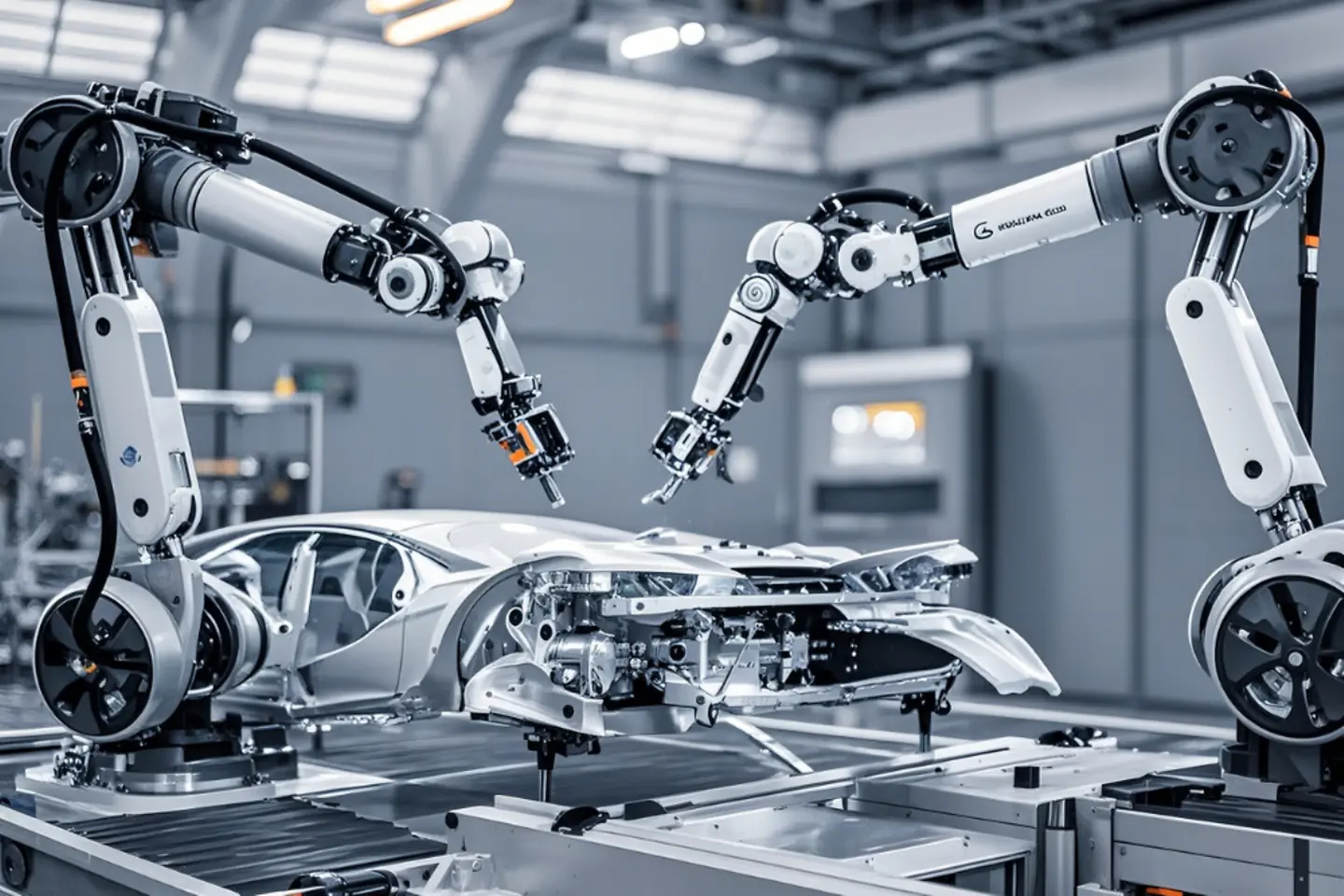
Manufacturing has known this phenomenon for years: the “dark factory”—a production facility that operates around the clock without the lights on because no people are required on-site. Machines build products, supervised by other machines.
The software industry has reached a similar point. AI agents are beginning to manage the entire development lifecycle: defining requirements, writing code, testing, deploying, operating, and optimizing software. The pace at which changes reach production systems is no longer measured on a human timescale. On GitHub, the number of pull requests is growing so rapidly that the platform itself has periodically struggled under the load.
At the same time, it is not only the development process that is changing—it is also what runs in production. More and more applications now include AI agents as part of customer-facing products and as internal assistants across business functions. These agents must be monitored, evaluated, and governed just like any other production system.
For boards, CEOs, and CIOs, this represents a fundamental shift. Organizations that want to remain competitive over the coming years must do more than just build software faster. They must be able to control software while it is building itself—and while that software increasingly consists of autonomous agents.
Every wave of industrialization creates the same challenge. Once production becomes automated, quality assurance becomes the bottleneck. No manufacturer would be willing to run a dark factory without a dense network of sensors continuously monitoring every machine, every component, and every deviation in real time. In software, that sensor network is still largely missing.
Traditional monitoring tools were designed for a world where humans wrote code and humans operated it. They provide dashboards, generate alerts, and rely on people to investigate problems and fix them manually.
That model breaks down when AI agents can deliver changes one hundred times faster than humans can understand them. And the faster software is shipped, the greater the likelihood that issues will make their way into production. Organizations that lose visibility risk outages, security vulnerabilities, spiraling cloud costs, and dissatisfied customers—sometimes without even knowing where the problem originated.
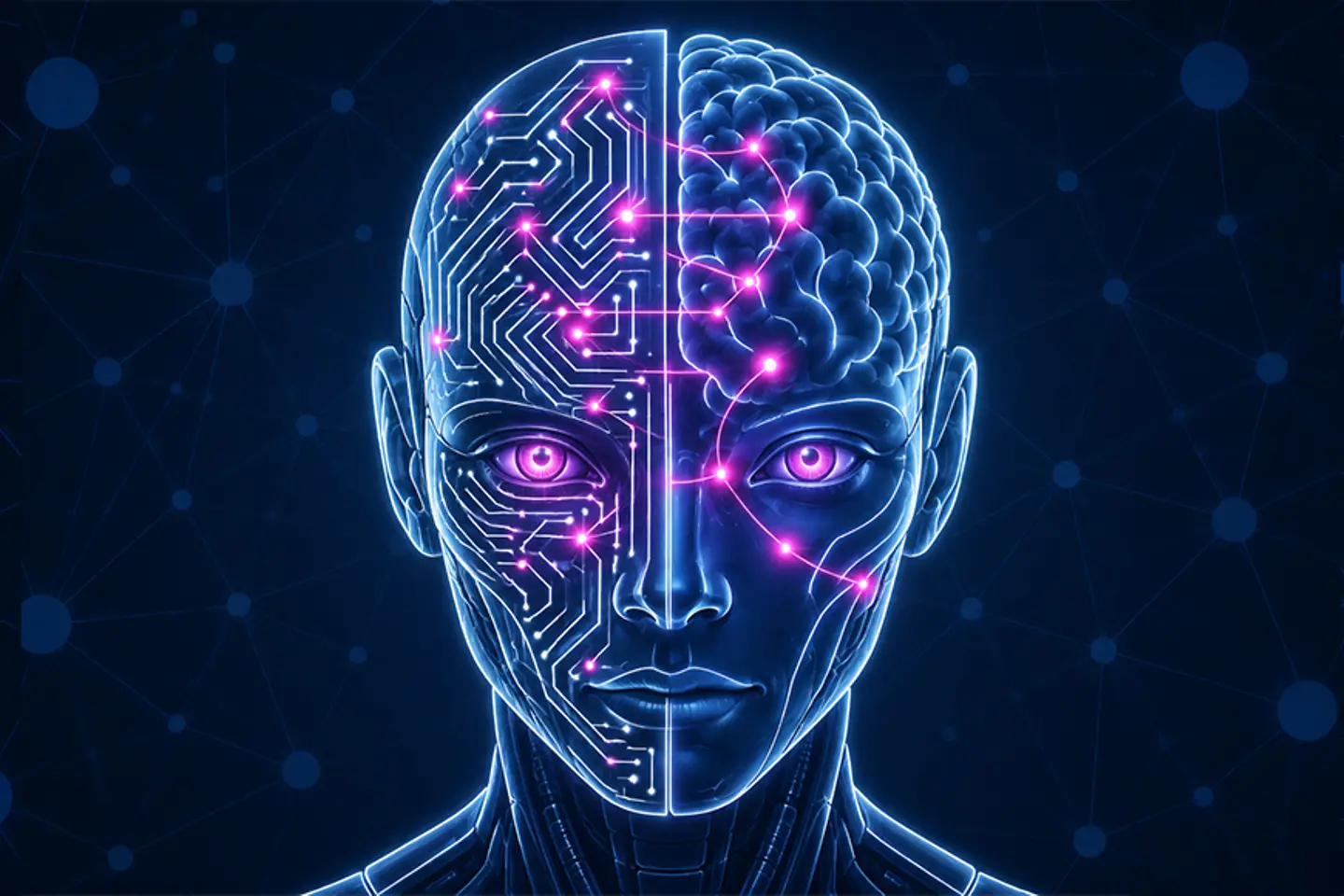
The 'brain for production' continuously observes every change across the system, monitors the entire software delivery pipeline, identifies anomalies and risks, continuously scans for security vulnerabilities and analyzes root causes across the entire application landscape. As a result, it not only recommends what should be done—it delivers the solution directly.
What organizations need in this new environment is an autonomous system that can assume the role once played by experienced developers and operators—while operating at the speed required in the age of AI. We call this a brain for production.
It continuously observes every change across the system: code, infrastructure, dependencies, and the AI agents themselves. It monitors the entire software delivery pipeline—from coding agents and review agents to testing environments, sandboxes, and runtime systems. It identifies anomalies and risks before they become incidents. It continuously scans for security vulnerabilities. It analyzes root causes across the entire application landscape. And it does more than recommend actions—it delivers solutions directly, whether as automatically generated code fixes or infrastructure changes.
As a result, the role of software observability is undergoing a fundamental transformation. Observability once served as a window into complex systems. It is now becoming the control center for digital production.
This shift has three major implications for businesses and technology leaders.
We founded Dash0 because we recognized early on that traditional tools would not be enough for this new world. Our platform is built entirely on open standards so that data, tools, and AI agents can work together seamlessly instead of being trapped in proprietary ecosystems.
We are currently releasing the second generation of our production agent, Agent0. It autonomously analyzes, diagnoses, and resolves issues in production applications. It integrates directly into the tools development teams already use and delivers not just insights, but actionable solutions.
With this step, we are evolving from a pure observability platform into what we call Observability for the AI Age: a brain for production that can keep pace with the speed of modern software development.
The software industry’s dark factory is no longer a question of if—it is a question of when. The companies that lead in the age of AI will not necessarily be those with the largest engineering teams or the biggest AI budgets. They will be the ones whose systems can observe themselves, analyze themselves, and correct themselves—reliably, transparently, and with full accountability.
If you want to turn out the lights, you need a brain that stays awake.
You can display all external content on the website at this point.
I agree that personal data may be transmitted to third-party platforms. Read more about this in our privacy policy.
The AI Engineer reduces the development process from six months to just a few minutes – including testing and deployment. Simply with a short natural language prompt. As part of our AI Foundation Services, the AI Engineer exemplifies the technological leap we’re witnessing in AI, cutting costs and helping our clients unlock their full business potential.